 Gel Polish
 Nail Lacquer
 Acrylic
 Nail Tools
 LED Lamps
 Pedicure Chairs
 Nail Art
 Furniture
From Workstation to Workflow: How Setup Affects Nail Service Quality
April 17, 2026
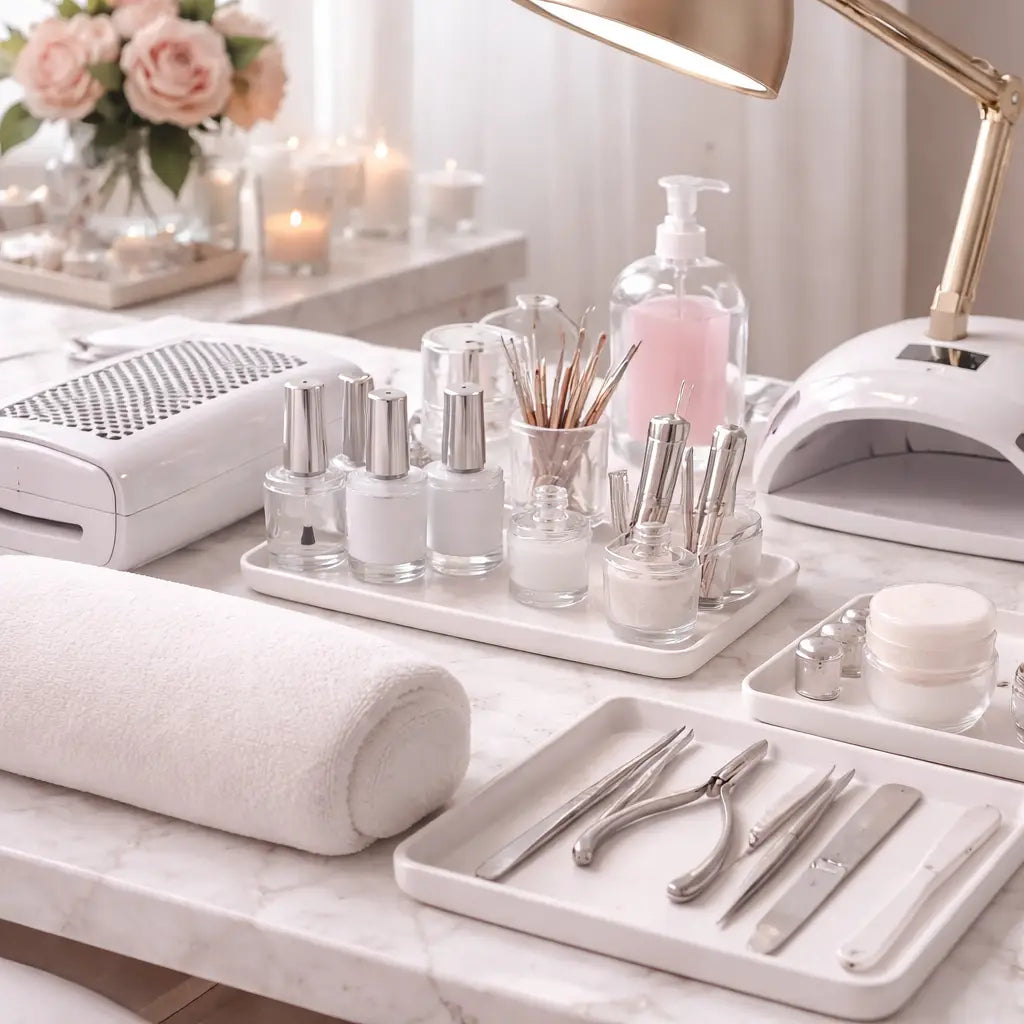
In a professional nail salon, great results don’t come from products alone—they come from how everything is set up and used together. From the layout of the workstation to the flow of each step, the way a nail technician organizes their space has a direct impact on service quality.
A well-designed setup doesn’t just look clean—it improves speed, precision, and consistency. In today’s fast-paced salon environment, the connection between workstation and workflow is more important than ever.
Why Setup Matters More Than You Think
Many technicians focus on tools and products but overlook how their workspace is arranged. Even with high-quality equipment, a poor setup can slow down services and lead to inconsistent results.
An optimized workstation helps:
- Reduce unnecessary movement
- Improve efficiency during services
- Maintain cleanliness and organization
- Enhance overall service quality
In short, a better setup leads to a smoother workflow—and better results.
The Foundation: A Functional Workstation
A professional nail workstation should be designed for both comfort and efficiency. Every tool and product should be within easy reach, allowing the technician to work without interruption.
Key elements of a functional workstation include:
- A sturdy, well-sized nail table
- Proper lighting positioned above the work area
- Organized storage for tools and products
- A comfortable armrest for client support
When everything is placed strategically, technicians can focus entirely on the service.
Tool Placement and Accessibility
Time is often lost in small, repeated movements—reaching for tools, searching for products, or adjusting items during a service.
Efficient tool placement means:
- Frequently used items are within immediate reach
- Tools are arranged in a logical order of use
- Products are clearly organized and easy to identify
This reduces interruptions and keeps the workflow smooth from start to finish.
Lighting and Visibility
Lighting is a critical part of any workstation setup. Poor lighting can lead to mistakes, uneven application, and eye strain.
A proper lighting setup ensures:
- Clear visibility of fine details
- Accurate color application
- Reduced fatigue during long hours
Combining overhead lighting with focused task lighting creates the ideal environment for precision work.
Cleanliness and Hygiene Integration
A well-organized workstation also supports better hygiene practices. Clean tools, sanitized surfaces, and proper disposal systems should be integrated into the setup.
This includes:
- Easy access to disinfectants and wipes
- Designated areas for clean and used tools
- Dust collection systems for filing
Maintaining cleanliness becomes easier when the setup is designed with hygiene in mind.
Workflow: The Step-by-Step Flow of Service
Workflow refers to how a nail service progresses from start to finish. A smooth workflow minimizes downtime and ensures consistency across every client.
An efficient workflow typically follows a structured sequence:
- Nail preparation
- Base application
- Color or enhancement
- Finishing and sealing
When the workstation supports this flow, technicians can move seamlessly between steps without delays.
Reducing Service Time Without Sacrificing Quality
A well-planned setup allows technicians to work faster without cutting corners. By eliminating unnecessary movements and organizing tools effectively, services become more efficient.
Benefits include:
- Shorter appointment times
- Increased client capacity
- Less physical strain on technicians
- More consistent results
Efficiency doesn’t mean rushing—it means working smarter.
Enhancing the Client Experience
Clients may not notice every detail of your setup, but they will feel the difference. A clean, organized, and professional workstation creates a sense of trust and comfort.
A well-designed space:
- Looks more professional
- Feels more relaxing
- Reflects attention to detail
This contributes to a better overall salon experience and encourages repeat visits.
Adapting Setup to Different Services
Not all nail services require the same tools or workflow. A flexible workstation allows technicians to adjust their setup based on the service being performed.
For example:
- Nail art services may require additional brushes and tools
- Extension services may need more space for forms and sculpting
- Quick services benefit from minimal, streamlined setups
Adaptability is key to maintaining efficiency across different service types.
Conclusion
In professional nail services, the connection between workstation and workflow is what drives efficiency, precision, and consistency. A well-organized setup supports every step of the process, allowing technicians to focus on delivering high-quality results.
By optimizing the way tools, products, and space are arranged, salons can improve not only their workflow but also the overall client experience.
Because in the end, great nail work isn’t just about what you use—it’s about how you use it.