 Gel Polish
 Nail Lacquer
 Acrylic
 Nail Tools
 LED Lamps
 Pedicure Chairs
 Nail Art
 Furniture
The Moisture Barrier Advantage: How Professional Skin-Care Products Help Salons Support Softer, Healthier-Looking Skin
October 27, 2026
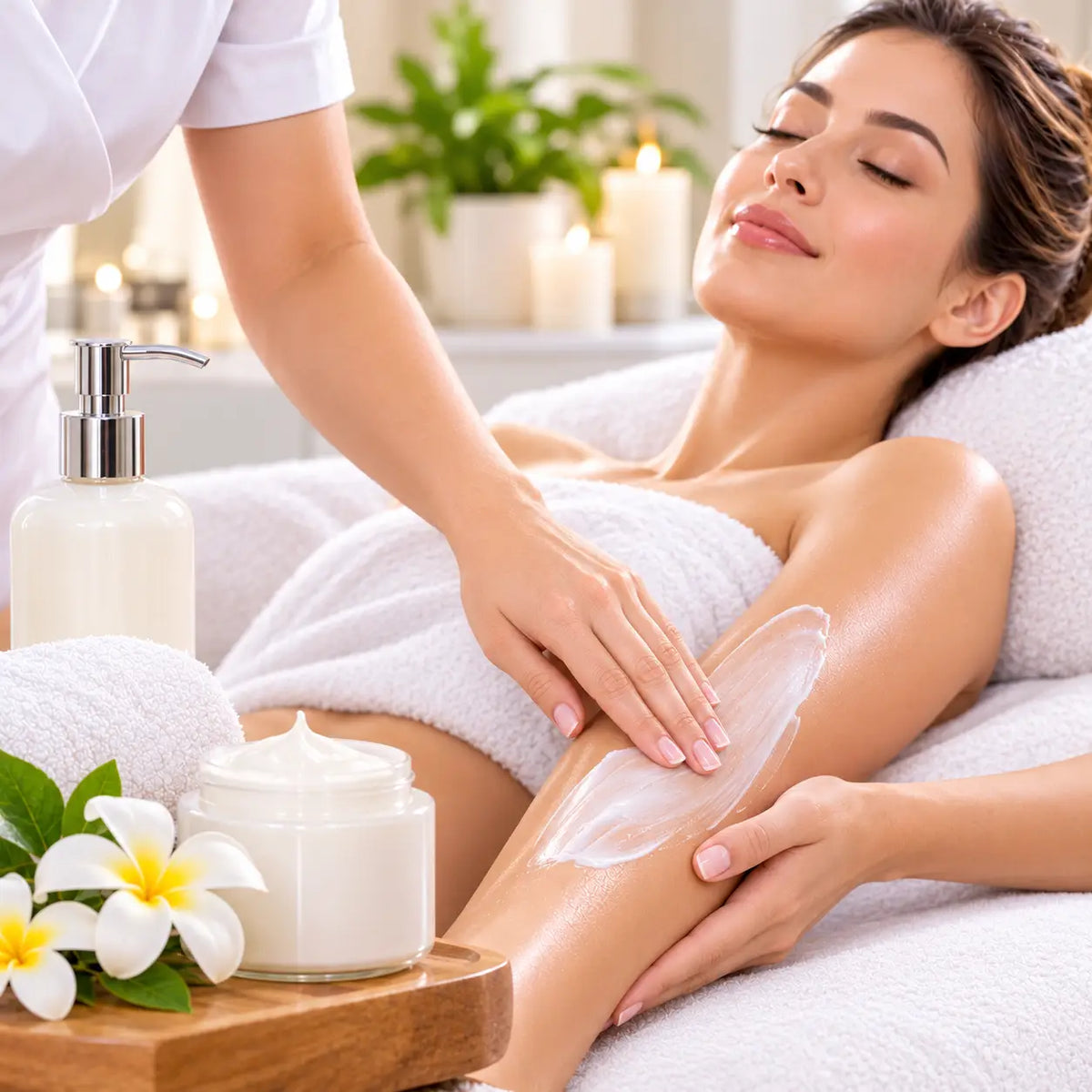
Healthy-looking skin starts with more than occasional moisturizing. Everyday activities, frequent washing, environmental exposure, and changes in humidity can affect the skin's natural moisture barrier, leaving it feeling dry, rough, or uncomfortable.
For salons and spas, this creates an opportunity to offer more complete skin-care experiences using professional lotions, creams, body oils, and moisturizing treatments. These products can help condition the skin, support moisture retention, and leave clients with a softer, smoother feel.
Understanding the skin's moisture barrier also helps salon professionals recommend suitable products and create treatments that go beyond a basic spa experience.
With the right professional skin-care essentials, salons can turn everyday moisturizing into a valuable part of their service menu while giving clients more reasons to enjoy and return for their treatments.
Understanding the Skin's Natural Moisture Barrier
The skin's moisture barrier is part of its outer protective layer. It helps reduce water loss and protects the skin from external irritants and environmental stressors.
When this barrier is functioning well, skin generally feels comfortable, flexible, and smooth. When it becomes compromised, skin may feel tight, dry, flaky, or irritated.
Several everyday factors can affect the skin's moisture balance:
-
Frequent handwashing and exposure to cleansing products.
-
Dry air and changes in weather.
-
Hot showers and excessive cleansing.
-
Friction from clothing and everyday activities.
-
Using skin-care products that are too harsh or unsuitable.
Professional skin-care products can help support the skin's moisture barrier by supplying moisturizing and conditioning ingredients. While cosmetic products cannot repair every underlying skin condition, suitable formulations can help improve the appearance and feel of dry skin.
Why Professional Moisturizing Products Matter
Not all moisturizing products are formulated in the same way. Different lotions, creams, and oils offer different textures, ingredients, and application experiences.
For salons, choosing suitable professional products makes it easier to create treatments that match different client preferences.
Some useful product categories include:
Body lotions: Lightweight formulations that spread easily and are convenient for everyday moisturizing treatments.
Body creams: Richer textures that can provide a more substantial conditioning experience, particularly for clients who prefer a thicker moisturizer.
Massage oils: Products designed to provide glide during massage while helping condition the skin.
Hand creams: Specialized moisturizers that can complement manicure services and provide additional attention to frequently washed hands.
Foot creams: Products formulated for foot care routines, often featuring richer textures suited to areas that commonly feel dry or rough.
Offering different formulations gives technicians more flexibility when recommending products and designing spa treatments.
Look for Ingredients That Support Skin Hydration
The ingredients in a moisturizer influence how it interacts with the skin and the type of conditioning experience it provides.
Understanding a few common ingredient categories can help salon owners make more informed purchasing decisions.
Humectants: Helping Attract Moisture
Humectants attract water and help increase hydration in the outer layer of the skin.
Common examples include:
-
Glycerin: A widely used humectant that helps attract and retain moisture.
-
Hyaluronic acid: Known for its ability to bind water and support skin hydration.
-
Urea: Used in certain moisturizing formulations to help hydrate and soften rough-feeling skin.
These ingredients are often found in lotions and creams designed for dry or dehydrated skin.
Emollients: Improving Skin Feel
Emollients help soften and smooth the skin by filling spaces between surface skin cells.
Examples include certain plant oils, fatty acids, and ingredients such as shea butter.
They are commonly included in moisturizing products because they help improve the feel and flexibility of dry skin.
Occlusives: Helping Reduce Moisture Loss
Occlusive ingredients form a protective layer on the skin's surface that helps slow water loss.
Common examples include petrolatum, mineral oil, and certain waxes.
These ingredients can be particularly useful in richer moisturizing formulations designed for areas that tend to become dry.
A well-formulated moisturizer may combine humectants, emollients, and occlusives to provide a more complete moisturizing experience.
Turn Basic Manicures Into More Complete Hand-Care Services
Hands are exposed to frequent washing, cleansing products, and environmental conditions throughout the day. As a result, they can become dry and rough-feeling even when the nails themselves are well maintained.
This makes hand moisturizing a natural addition to professional manicure services.
After nail preparation and polish application, technicians can finish the service with a suitable hand cream or lotion. A gentle hand massage can make the finishing step feel more relaxing and give clients additional attention beyond nail care.
Salons can also offer a dedicated hand-care upgrade featuring compatible exfoliation and moisturizing products.
For example, a premium hand treatment may include:
-
Gentle cleansing.
-
Suitable exfoliation, when appropriate.
-
Application of a conditioning hand mask or moisturizer.
-
A relaxing hand massage.
-
A final application of hand cream.
These additional steps can make an ordinary manicure feel more complete while creating another service option for clients.
Give Pedicure Clients More Than Nail Care
Feet often experience friction, pressure, and dryness, particularly around the heels and other areas exposed to repeated contact.
A professional pedicure provides an opportunity to address the appearance and feel of dry skin as part of a broader foot-care routine.
Salons can incorporate suitable foot creams, moisturizing lotions, and other conditioning products into their services.
For clients who prefer a more indulgent experience, a deluxe pedicure package can combine a foot soak, appropriate exfoliation, nail care, and a moisturizing finish.
Rich foot creams may be particularly appealing for clients who want extra attention for rough-feeling areas.
Technicians should follow product instructions and avoid aggressive exfoliation or applying products to broken, irritated, or compromised skin.
Create Premium Body-Care Treatments With Professional Products
Moisturizing products can also help salons expand their body-care offerings.
A body lotion or cream can become part of a relaxing spa treatment, while massage oils can complement services that involve extended application and massage techniques.
Rather than offering only one standard body treatment, spas can introduce different options based on product texture and client preferences.
For example:
The Hydration Experience: A body treatment featuring a suitable moisturizing lotion or cream for clients who prefer a conditioning finish.
The Relaxing Massage Package: A massage service using an appropriate professional massage oil.
The Smooth-Skin Treatment: A suitable exfoliating step followed by a moisturizing product.
The Complete Body-Care Experience: A combination of cleansing, appropriate exfoliation, massage, and moisturizing.
These service options allow salons to present skin care as an important part of the overall spa experience rather than an afterthought.
Help Clients Maintain Their Skin-Care Routine at Home
Professional treatments can provide a more indulgent experience, but everyday skin care also matters.
Clients may appreciate recommendations for suitable products they can use between appointments to help maintain comfortable, moisturized skin.
Salons can introduce take-home options such as:
-
Daily body lotions.
-
Rich hand creams.
-
Moisturizing foot creams.
-
Body oils.
-
Conditioning creams for dry areas.
Retail recommendations should be based on the product's intended use and the client's preferences. Technicians should avoid diagnosing skin conditions or promising that cosmetic moisturizers will treat medical concerns.
A simple recommendation can help clients understand how to continue caring for their skin after leaving the salon.
It also creates an additional retail opportunity for businesses that stock professional skin-care essentials.
Choose the Right Skin-Care Products for Your Salon
Selecting professional skin-care products involves more than choosing attractive packaging or popular ingredients. Salon owners should consider how each product fits into their services and how practical it is for regular use.
Before purchasing, evaluate these factors:
Formulation: Choose products designed for the intended treatment area and application method.
Texture: Consider whether clients and technicians prefer lightweight lotions, richer creams, or massage-friendly oils.
Ingredients: Review the ingredient list and product information to understand its intended moisturizing and conditioning benefits.
Packaging size: Larger containers may be more practical for frequent professional use, while smaller sizes may be useful for retail or specialized treatments.
Product compatibility: Make sure complementary products can be used together according to their instructions.
Cost per service: Calculate how much product is used during each treatment to help manage service costs and inventory.
Building a focused collection of dependable moisturizers can help salons maintain consistent treatments without purchasing unnecessary products.
The Business Advantage of Offering Better Moisturizing Services
Professional skin-care products can contribute to more than client comfort. They also give salons opportunities to expand their menus and increase the value of existing appointments.
A well-planned moisturizing service can support several business goals:
-
More service upgrades: Add hand, foot, or body moisturizing treatments to existing appointments.
-
Higher-value packages: Combine compatible skin-care products to create more comprehensive spa experiences.
-
Retail opportunities: Recommend suitable take-home products to clients who want to continue their routine.
-
Better service presentation: Show clients that the salon pays attention to details beyond nail appearance.
-
Smarter inventory management: Focus purchasing on products that support the salon's most popular services.
The best approach is to introduce treatments that fit the salon's clientele, available equipment, and staff capabilities.
Final Thoughts: Make Moisturized Skin Part of Every Great Spa Experience
The skin's moisture barrier plays an important role in maintaining comfortable, healthy-looking skin. Professional lotions, creams, oils, and other moisturizing products can help condition the skin, reduce the feeling of dryness, and leave it feeling softer and smoother.
For salons and spas, these products offer more than a finishing touch. They provide opportunities to expand hand-care, foot-care, and body-care services while creating additional value for clients.
By selecting suitable formulations, understanding common moisturizing ingredients, and incorporating thoughtful skin-care steps into existing treatments, salons can make everyday moisturizing an important part of their professional service experience.
Explore professional skin-care products and complementary spa essentials at Lee Nail Supply to find supplies that help your salon offer more complete moisturizing treatments and elevate the client experience.