 Gel Polish
 Nail Lacquer
 Acrylic
 Nail Tools
 LED Lamps
 Pedicure Chairs
 Nail Art
 Furniture
The Soft Gel Advantage: Why More Technicians Are Switching to Gel Tip Extensions
November 11, 2026
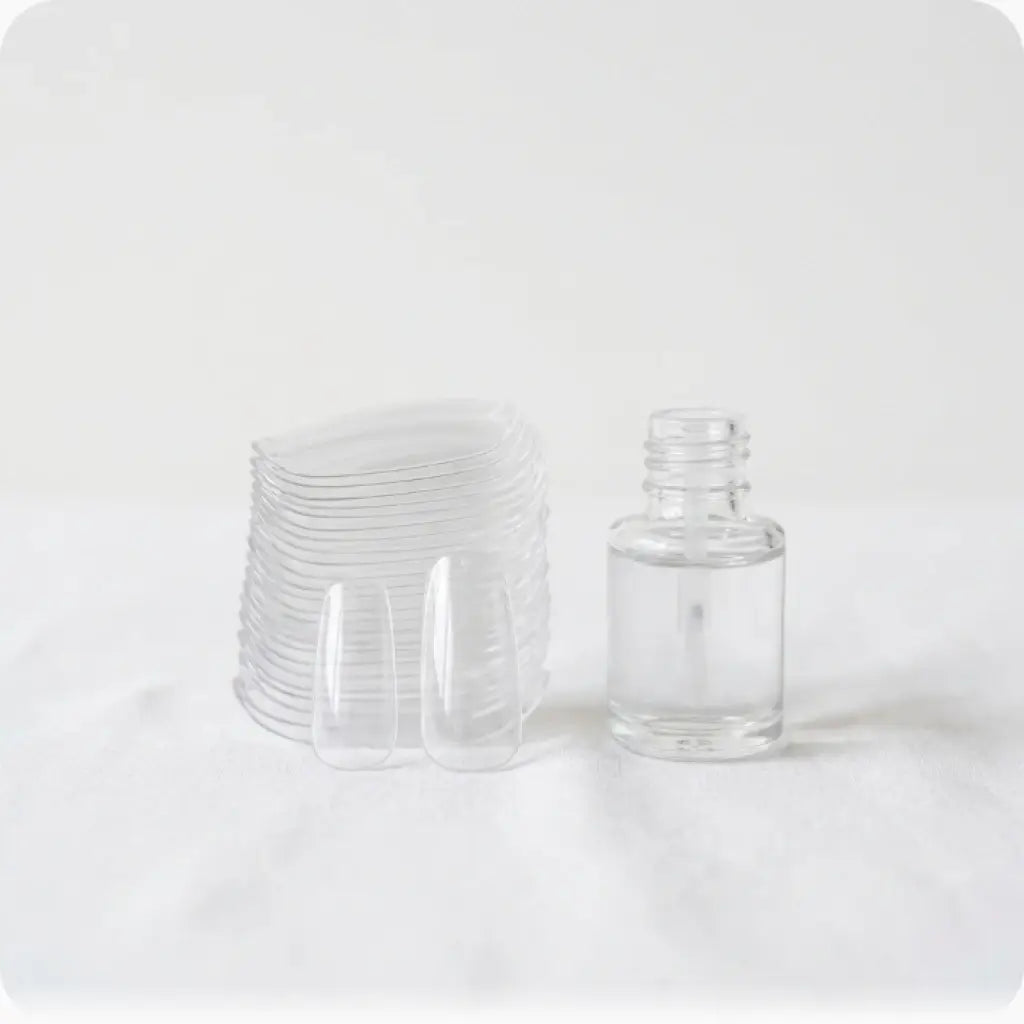
Walk into almost any busy salon right now and you'll notice a shift at the nail table: more technicians reaching for soft gel tips instead of mixing acrylic. It isn't a trend for its own sake — it's a response to what clients keep asking for (a lighter, more natural set) and what techs want (a faster, cleaner, less damaging service). If you've been curious about what all the switching is about, here's the honest breakdown of the soft gel advantage.
What Is Soft Gel?
Soft gel tips — often called gel extensions — are pre-shaped, full-cover tips made from a flexible, soak-off gel. You size the tip, apply a gel adhesive or base, fit it to the natural nail, and cure it under a lamp. No monomer, no powder, no strong fumes. The result is a lightweight extension that looks and feels remarkably close to a natural nail, with the structure of a full set.
Why Technicians Are Switching
- Faster application: Pre-shaped tips skip a lot of the sculpting and filing acrylic demands, so a full set goes on quicker — more clients per day without rushing the work.
- Gentler on the natural nail: Soft gel bonds without heavy etching, and because it soaks off, removal doesn't require aggressive filing — less damage, happier repeat clients.
- Lightweight, natural feel: Clients consistently say gel extensions feel like "nothing's there" compared to a heavier acrylic set — a big selling point for first-timers.
- Cleaner workspace: No powder dust in the air and far less odor than liquid-and-powder systems, which is better for you, your clients, and your station.
- Easy soak-off removal: A proper soak-off lifts the whole tip cleanly, so fills and redos are simpler and kinder to the nail bed.
Soft Gel vs. Acrylic vs. Hard Gel
- Soft gel: Soak-off, flexible, lightweight, natural feel. Best for clients who want a comfortable, natural-looking set and gentle removal.
- Acrylic: Extremely strong and sculptable, ideal for long or heavily customized sets — but heavier, with more odor and filing on removal.
- Hard gel: Durable and glossy with great structure, but it must be filed off rather than soaked — tougher on removal than soft gel.
None of these is "best" in a vacuum — the right choice depends on the client. But for the growing share of clients who prioritize comfort, a natural look, and gentle removal, soft gel hits the sweet spot.
Pro Tips for Flawless Soft Gel Sets
- Size before you glue. Fit every tip to the full width of the natural nail first — a tip that's even slightly narrow invites lifting at the sidewalls.
- Prep and dehydrate properly. Clean, dehydrated, lightly buffed nails are the difference between a set that lasts weeks and one that pops in days.
- Flash-cure, then full-cure. A quick flash cure while you position the tip stops it sliding; follow with a full cure for a solid bond.
- Cap the free edge. Sealing the tip edge on every layer is what gives gel extensions their chip-resistant, long-lasting wear.
The Takeaway
Soft gel isn't replacing acrylic — it's giving you another tool that fits how modern clients want to wear their nails: light, natural, comfortable, and easy to remove. Add it to your menu, dial in your prep and curing, and you'll see exactly why so many technicians are making the switch.
Frequently Asked Questions
What are soft gel nail extensions?
Soft gel tips are pre-shaped, flexible gel extensions applied with a gel adhesive and cured under a lamp. They're lightweight, natural-feeling, and gentler on the natural nail than acrylic. You can shop soft gel tips and supplies to get started.
Are soft gel extensions better than acrylic?
They're not better or worse, just different. Soft gel is faster to apply, lighter, and less damaging to remove, while acrylic is stronger for very long or heavily sculpted sets. Choose based on the client and the service.
How do you remove soft gel extensions?
Soft gel soaks off in acetone, unlike hard gel, which must be filed. Gently buff the top layer, wrap the nail in acetone-soaked cotton for 10 to 15 minutes, then slide off the softened gel — no aggressive filing of the natural nail required.