 Gel Polish
 Nail Lacquer
 Acrylic
 Nail Tools
 LED Lamps
 Pedicure Chairs
 Nail Art
 Furniture
The Texture Trend: How Modern Nail Products Create Depth and Dimension
April 19, 2026
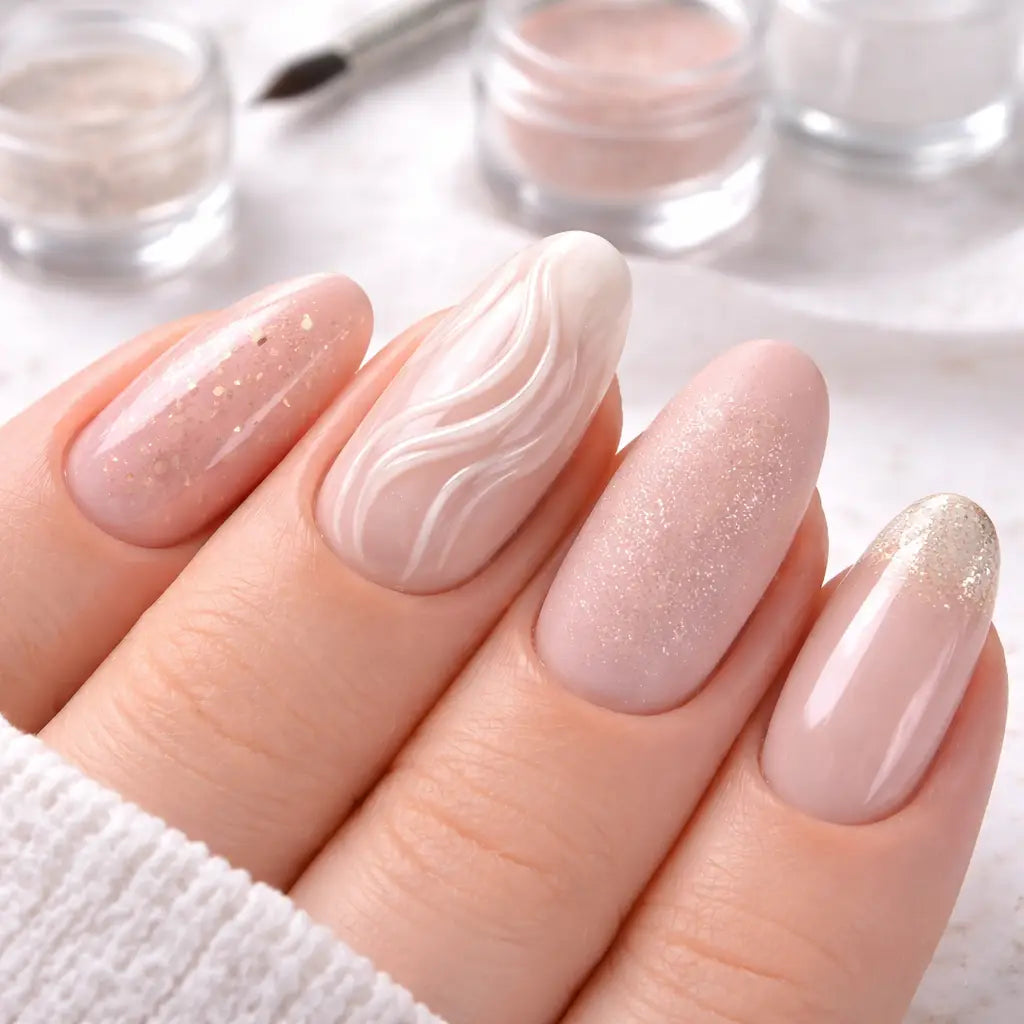
Nail design has moved far beyond simple color application. Today, the most eye-catching manicures are defined not just by shade—but by texture, layering, and dimension.
From subtle matte contrasts to sculpted gel details and reflective finishes, modern nail products are allowing technicians to create nails that feel more dynamic, more luxurious, and more visually engaging. This shift toward texture is not just a trend—it’s becoming a defining feature of high-end nail services.
Why Texture Is Changing Nail Design
Flat, single-tone nails are being replaced by finishes that interact with light and movement. Texture introduces depth, making even the simplest designs look more refined and intentional.
Instead of relying on bold colors alone, technicians now use:
- Layered gel structures
- Mixed finishes (matte vs. gloss)
- Reflective and light-reactive surfaces
- Encapsulated elements
These techniques create nails that don’t just look good—they stand out from every angle.
The Power of Layering
One of the key ways to create dimension is through layering. Modern gel systems allow multiple thin layers to be built without adding unnecessary bulk.
This makes it possible to:
- Add depth beneath the surface
- Create a “floating” effect with embedded elements
- Build subtle structure that enhances shape
Layering transforms nails from flat surfaces into multi-dimensional designs.
Matte and Gloss Contrast
A simple but powerful technique in textured nail design is combining matte and glossy finishes. This contrast creates visual separation without adding extra thickness.
For example:
- Glossy patterns over a matte base
- Matte backgrounds with high-shine accents
- Alternating finishes across different nails
This approach delivers a clean, modern look while still adding depth and interest.
Sculpted Gel and Raised Details
Modern gel products allow technicians to sculpt directly onto the nail, creating raised designs that add a tactile element.
These can include:
- Soft gel waves
- Minimalist 3D lines
- Structured accents that follow nail shape
The key is control—well-executed raised details feel intentional and refined, not heavy or overwhelming.
Reflective and Light-Reactive Finishes
Texture isn’t always about physical height—it can also come from how a surface interacts with light.
Products like:
- Chrome finishes
- Shimmer gels
- Reflective particles
…create movement and depth by shifting appearance depending on lighting conditions.
This adds a dynamic quality to nails, making them more visually engaging both in person and on camera.
Encapsulation for Depth Effects
Encapsulation is one of the most effective ways to create true depth. By embedding elements within layers of gel, technicians can achieve a dimensional look without exposing the design.
Common encapsulated elements include:
- Fine glitter
- Foil fragments
- Pigments or flakes
This technique creates a “within the nail” effect that looks polished and professional.
Texture Without Bulk: The Modern Standard
One of the biggest advancements in nail products is the ability to create texture without adding weight or thickness.
Modern formulas are designed to:
- Self-level smoothly
- Maintain a slim nail profile
- Provide strength while allowing flexibility
This ensures that textured designs remain comfortable and wearable for clients.
Why Clients Are Drawn to Textured Nails
Textured nails offer something different—they feel more customized, more creative, and more premium.
Clients are drawn to:
- Unique, non-flat finishes
- Subtle but noticeable detail
- Designs that look elevated without being overwhelming
- Nails that photograph well and stand out
This makes texture a strong selling point for modern nail services.
Elevating Salon Services Through Texture
For salons, incorporating texture is a way to offer higher-value services without drastically changing the process.
Even small upgrades—like adding a matte accent or layered finish—can:
- Increase perceived value
- Differentiate services from competitors
- Enhance overall client satisfaction
Texture allows salons to do more with the products they already use—just in a more creative way.
Conclusion
The texture trend is redefining modern nail design. By combining layering, contrast, and innovative finishes, nail technicians can create depth and dimension that elevate every service.
With the help of advanced nail products, achieving textured, multi-dimensional nails is no longer complicated—it’s simply a matter of technique and intention.
In today’s nail industry, it’s not just about color anymore—it’s about how nails look, feel, and come to life.