 Gel Polish
 Nail Lacquer
 Acrylic
 Nail Tools
 LED Lamps
 Pedicure Chairs
 Nail Art
 Furniture
Why Every Flawless Set Starts With the Base Coat You Don't See
November 20, 2026
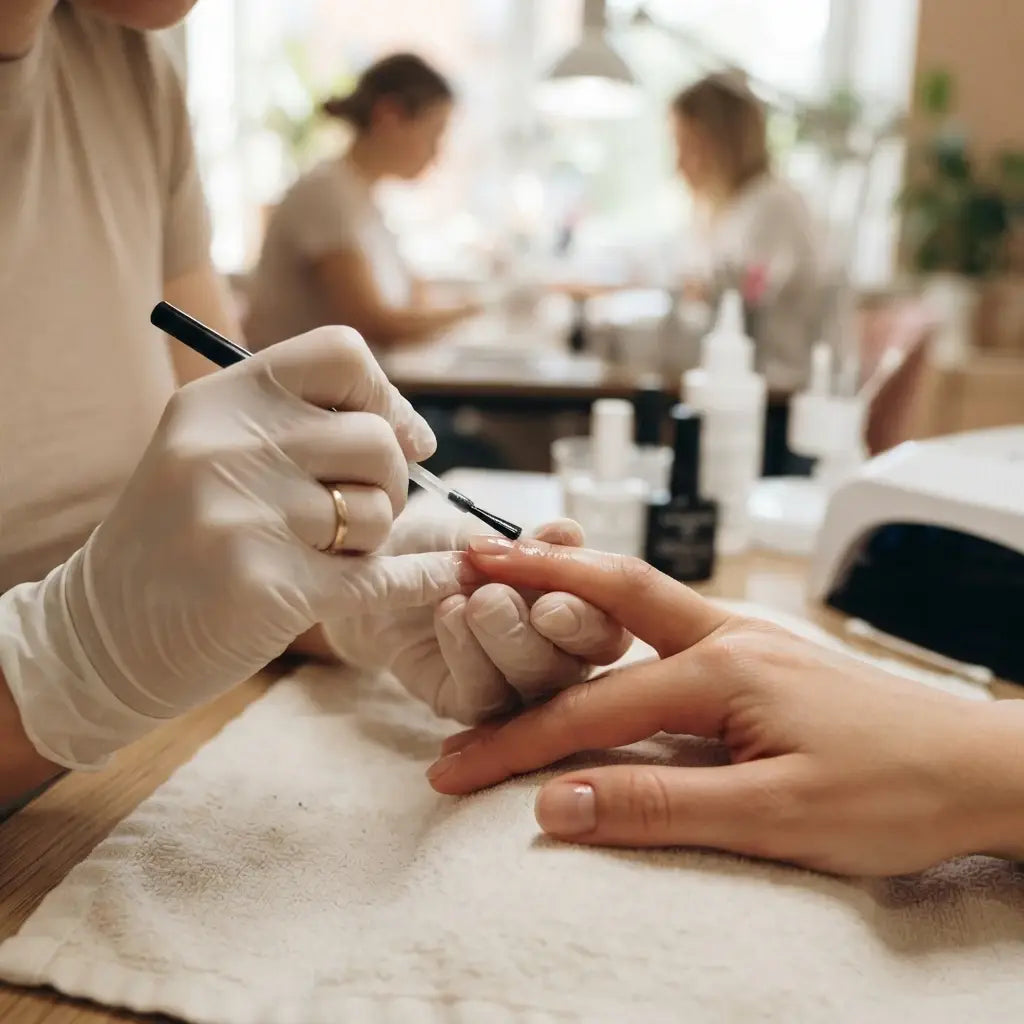
Ask a client what makes a great manicure and they'll point to the color or the shine. Ask a seasoned tech and they'll point to the layer nobody ever sees: the base coat. It's the quiet foundation every flawless set is built on — the difference between an enhancement that lifts by day three and one that wears clean for weeks. Skip it or rush it, and even the best color and top coat can't save the set. Here's why the base coat matters so much, and how to get the most from it.
What a Base Coat Actually Does
A base coat is far more than a "first layer." It's doing several jobs at once that determine how the entire manicure performs:
- Creates adhesion: It bonds to the natural nail and gives the color a surface to grip, which is the single biggest factor in preventing lifting and chipping.
- Protects the natural nail: It forms a barrier between pigment and the nail plate, preventing staining from dark and bright colors.
- Smooths the surface: It evens out ridges and imperfections so the color lays down flawlessly on top.
- Adds structure: Certain base coats reinforce thin or weak nails, giving the whole set more resilience.
In other words, the base coat decides whether a manicure lasts two days or two weeks — long before the color ever goes on.
Why Lifting and Chipping Usually Start Here
When a set lifts early, techs often blame the color or the top coat. But most premature failure traces back to the base: either it was skipped, applied too thickly, under-cured, or put over a nail that wasn't properly prepped. Gel adheres to a clean, dehydrated, lightly-buffed nail — and the base coat is what translates that prep into a lasting bond. Get the base right and everything above it holds; get it wrong and no amount of top coat will rescue the set.
Choosing the Right Base Coat
Not all base coats do the same thing, and matching the base to the client and service is what separates good techs from great ones:
- Standard gel base: The everyday workhorse for most gel services — reliable adhesion and a smooth foundation.
- Rubber base: A thicker, flexible base that self-levels, adds strength, and is ideal for weak or flat nails and light structure work.
- Strengthening base: Formulated to reinforce brittle, thin, or damaged natural nails over time.
Keeping a range on hand means you can fit the base to the nail in front of you rather than forcing one product to do every job.
How to Apply a Base Coat Correctly
Technique matters as much as product. Start with proper prep: push back cuticles, gently buff the shine off the nail, and dehydrate the plate. Apply the base in a thin, even layer — thin is critical, because a thick base cures unevenly and is a top cause of lifting. Cap the free edge to seal the tip. Cure for the full recommended time under your lamp; under-curing the base undermines everything above it. Only then move on to color.
- Prep first: Clean, buffed, dehydrated nails give the base something to grip.
- Thin and even: A thin layer cures fully and bonds better than a thick one.
- Cap the edge: Sealing the free edge is one of the best defenses against chipping.
- Cure fully: Give the base its full cure time — it's the layer everything else depends on.
The Step Clients Never Notice — Until It's Missing
The irony of a great base coat is that clients will never compliment it. They notice shine, color, and how long the set lasts — and that longevity is the base coat quietly doing its job. When a client comes back two-plus weeks later with a set that still looks fresh, that's your base coat earning the rebooking. It's invisible, but it's the reason the rest of your work holds up.
The Takeaway
A flawless set isn't built on the color you see — it's built on the base coat you don't. It drives adhesion, protects the natural nail, smooths the surface, and determines whether the manicure lasts. Choose the right base for each nail, apply it thin and even, cap the edge, and cure it fully, and every layer above it will look better and wear longer.
Frequently Asked Questions
Why is a base coat important for gel nails?
The base coat creates the adhesion that holds the whole manicure to the natural nail, so it's the number-one factor in preventing lifting and chipping. It also protects the nail from staining, smooths the surface, and can add strength. You can shop gel base coats here.
What's the difference between a standard and a rubber base coat?
A standard gel base is the everyday workhorse for most services — reliable adhesion and a smooth foundation. A rubber base is thicker and flexible; it self-levels, adds strength, and is ideal for weak or flat nails and light structure work.
Why does my gel keep lifting even with a base coat?
Usually it's prep or application: the base went over a nail that wasn't cleaned, buffed, and dehydrated, was applied too thick, or wasn't cured for the full time. Prep properly, apply a thin even layer, cap the free edge, and cure fully.