 Gel Polish
 Nail Lacquer
 Acrylic
 Nail Tools
 LED Lamps
 Pedicure Chairs
 Nail Art
 Furniture
The Role of Micro-Flexibility in Long-Term Shine
January 13, 2026
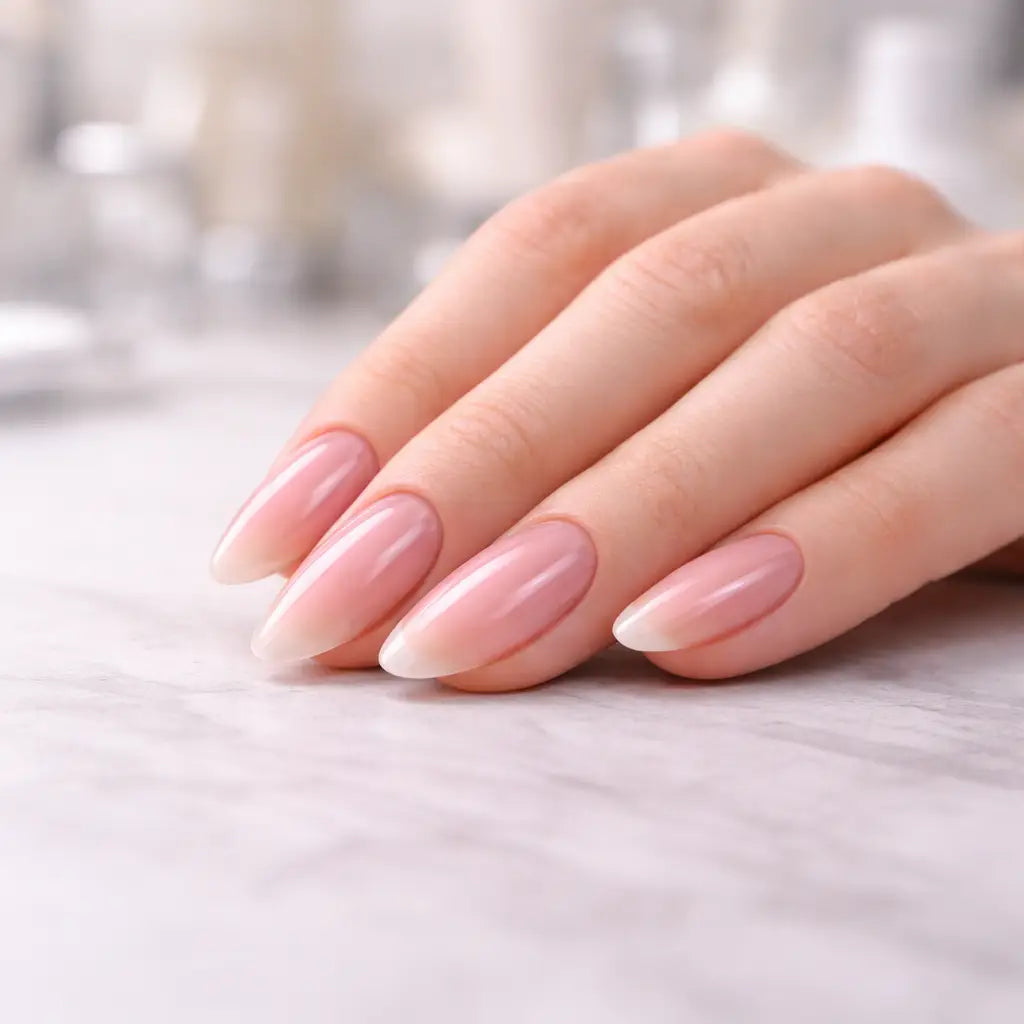
Shine is often treated as a surface feature—something achieved with a glossy top coat or a quick buff. But in professional nail systems, long-term shine has very little to do with surface polish alone. It’s the result of how well a nail system moves, absorbs stress, and maintains structural integrity over time.
At the center of this performance is micro-flexibility.
What Is Micro-Flexibility?
Micro-flexibility refers to a product’s ability to flex subtly with the natural nail without cracking, separating, or losing cohesion. It’s not softness, and it’s not rigidity—it’s controlled movement.
Natural nails flex constantly throughout the day due to:
-
Temperature changes
-
Water exposure
-
Pressure from typing, gripping, and impact
A nail system that lacks micro-flexibility resists this movement. Over time, that resistance shows—first in the shine, then in durability.
Why Shine Fades Before Nails Break
When a nail product is too rigid, stress doesn’t disappear—it concentrates. These stress points form microscopic fractures within the layers of the nail system.
While these fractures may not cause immediate lifting or cracking, they disrupt how light reflects off the surface. The result:
-
Dullness
-
Fine surface haze
-
Loss of that “fresh set” look
In contrast, micro-flexible systems distribute stress evenly, preserving surface smoothness and consistent light reflection.
Micro-Flexibility and Surface Integrity
Long-term shine depends on a smooth, uninterrupted surface. Micro-flexible products help maintain this by:
-
Allowing layers to move together rather than against each other
-
Preventing micro-separations between base, structure, and top layers
-
Reducing internal stress that distorts the surface over time
This cohesion is what keeps nails looking polished weeks after application—not just days.
Why Over-Rigid Products Lose Gloss Faster
Highly rigid systems often look perfect at first. The shine is intense, the structure feels solid. But as daily stress accumulates, these systems:
-
Develop invisible tension within the layers
-
Begin to reflect light unevenly
-
Show dull spots long before visible damage appears
This is why some nail sets “age” visually even when they haven’t lifted or broken.
Micro-Flexibility Is an Engineered Feature
Micro-flexibility isn’t accidental. It’s the result of:
-
Balanced viscosity
-
Thoughtful polymer formulation
-
Compatibility between layers
When products are designed to work as a system, flexibility is distributed consistently from base to top coat—protecting both structure and shine.
Shine Is a Performance Indicator
Lasting shine isn’t just cosmetic—it’s a sign that the nail system is functioning correctly. When shine remains stable:
-
Stress is being absorbed rather than resisted
-
Layers are moving in harmony
-
The nail is aging gracefully instead of breaking down
In professional nail work, shine that lasts is proof of engineering—not just application technique.