 Gel Polish
 Nail Lacquer
 Acrylic
 Nail Tools
 LED Lamps
 Pedicure Chairs
 Nail Art
 Furniture
Why Pigment Density Changes Application Speed
January 22, 2026
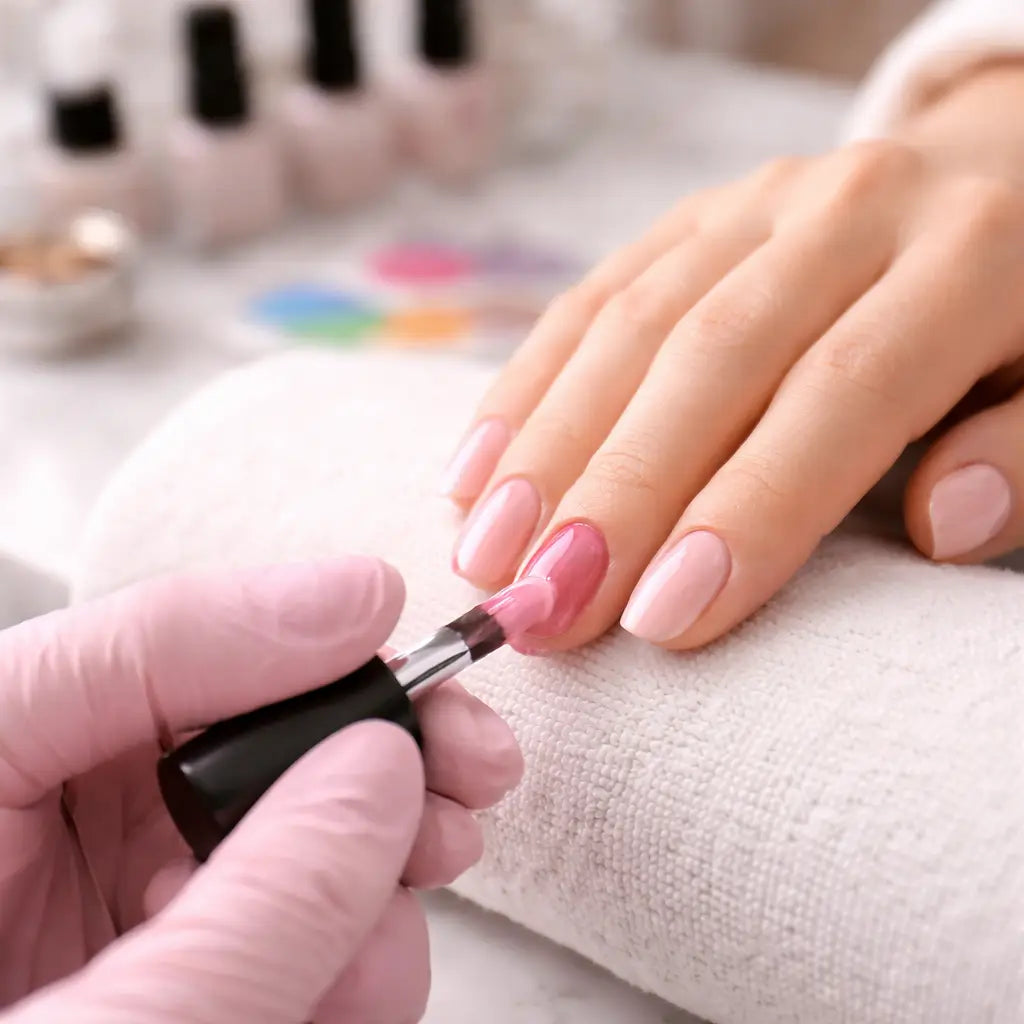
In nail services, speed is often attributed to skill and experience. But there’s another factor that quietly determines how fast a nail set can be completed: pigment density.
Pigment density affects not just color intensity—but also how smoothly a product applies, how many layers are needed, and how much correction is required. The result? A direct impact on application speed.
What Is Pigment Density in Nail Products?
Pigment density refers to how concentrated the color particles are within a nail product. It determines:
-
How opaque the color appears
-
How evenly the product spreads
-
How many layers are needed
-
How stable the color looks after curing
High-density pigments deliver strong color with fewer strokes. Low-density pigments require more layering and refinement.
Fewer Layers = Faster Application
One of the biggest time drains in nail services is layering.
When pigment density is low:
-
Technicians apply multiple coats
-
Each layer must be cured separately
-
Corrections are often needed
-
Edges and streaks must be refined
When pigment density is balanced:
-
Coverage is achieved in fewer passes
-
Self-leveling is more predictable
-
Less time is spent fixing imperfections
The difference between two layers and four layers can easily add 10–20 minutes per service.
Pigment Density Affects Control, Not Just Color
Highly pigmented products behave differently under the brush.
If pigment density is too high:
-
The product may feel heavy or thick
-
Control becomes harder
-
Overworking increases
If pigment density is too low:
-
The color looks uneven
-
More strokes are required
-
Consistency suffers
The fastest application happens when pigment density is optimized—not extreme.
Why Clients Feel the Difference
Clients may not know what pigment density is, but they experience its effects:
-
Shorter appointment times
-
More uniform color results
-
Longer-lasting vibrancy
-
Fewer visible imperfections
When results look consistent and appointments feel efficient, clients associate the service with professionalism.
That perception leads directly to repeat bookings.
Speed Is a Product Characteristic, Not Just a Skill
Many nail professionals believe speed comes only from practice. In reality, product formulation plays a massive role.
The right pigment density:
-
Reduces rework
-
Improves precision
-
Stabilizes results
-
Makes speed repeatable—not forced
Final Thought
Application speed isn’t about rushing—it’s about reducing resistance.
And pigment density is one of the most powerful, invisible factors that determines how smoothly a nail service flows.
When color behaves predictably, speed happens naturally.