 Gel Polish
 Nail Lacquer
 Acrylic
 Nail Tools
 LED Lamps
 Pedicure Chairs
 Nail Art
 Furniture
How to Choose the Right Gel Color: Pigmentation, Viscosity & Formula Explained
December 11, 2025
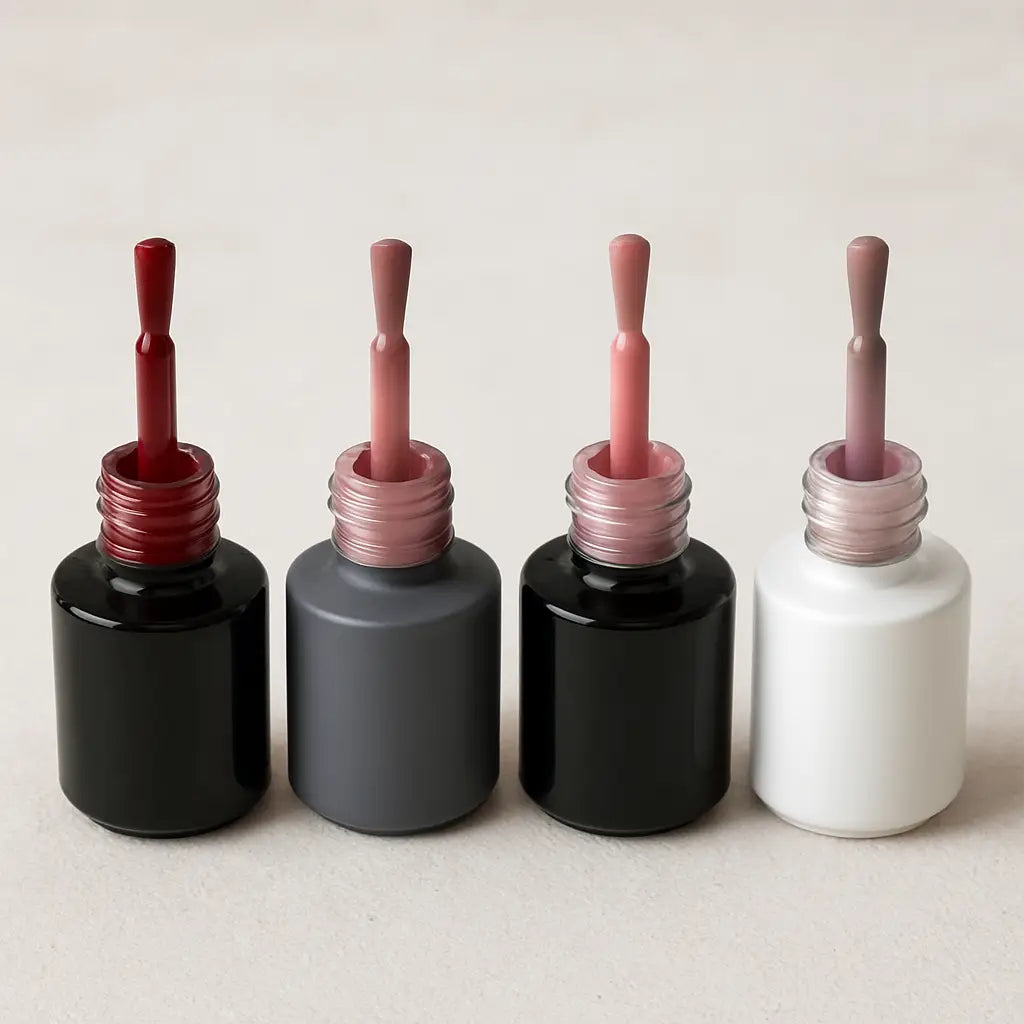
Choosing the right gel polish color isn’t just about liking a shade—it’s about understanding how the gel behaves. Whether you're a professional nail tech or a DIY enthusiast building your collection, knowing what makes a gel formula high-quality helps you create flawless, long-lasting sets every time.
In this guide, we break down the three biggest factors that determine whether a gel color performs beautifully: pigmentation, viscosity, and formula.
1. Pigmentation — Why Coverage Matters
Pigmentation is the amount of colorant in the gel. This affects opacity, application smoothness, and overall appearance.
Types of pigmentation
🔹 Highly pigmented gels
-
Perfect for one-coat coverage
-
Great for nail art, line work & French tips
-
Can be trickier for beginners because they need thin coats to avoid wrinkling
🔹 Medium pigmentation
-
Ideal for everyday salon use
-
Builds opacity in 2–3 thin layers
-
Easiest to apply with fewer curing issues
🔹 Sheer/light pigmentation
-
Used for natural looks, jelly nails, and soft backgrounds
-
Great for layering effects
How to test pigmentation
Swipe a small amount on a swatch stick.
If the color self-levels smoothly and you can’t see streaks or patchy spots, pigmentation is balanced.
2. Viscosity — How Thick or Thin the Gel Is
Viscosity determines how the gel moves and spreads.
Thin viscosity gels
-
Best for intricate nail art, gradients, and fine details
-
Can run into cuticles if you’re not careful
-
Ideal for warm climates (where thicker gels may self-thin)
Medium viscosity gels
-
Perfect all-around formula for color coats
-
Self-levels beautifully
-
Stays where you put it
Thick viscosity gels
-
Often used for highly pigmented shades or potted color gels
-
Great for high-coverage art
-
Less likely to flood cuticles
Pro tip:
If your salon gets hot, store thick gels in a cool drawer. If it’s cold, warm the bottle in your hands for 20–30 seconds to help the product flow.
3. Formula — What’s Actually Inside the Gel Bottle
Not all formulas are created equal. The ingredients determine:
-
Smoothness
-
Self-leveling ability
-
Shrinkage
-
Curing time
-
Longevity
What to look for in a good gel formula
✔ Low shrinkage — The gel stays where you apply it
✔ Smooth self-leveling — No patchy or lumpy spots
✔ Reliable curing — Cures completely even in thin layers
✔ Non-chalky pigments — Rich, even color payoff
Common formula issues and solutions
-
Wrinkling: Using too thick of a coat
-
Lifting: Under-cured or over-cured layers
-
Chipping: Poor adhesion or low-quality formula
-
Uneven color: Pigments not properly mixed — roll, don’t shake!
4. Climate & Lamp Factors
Gel color performance is also affected by other conditions:
Salon temperature
-
Hot = thinner gels → apply thinner layers
-
Cold = thicker gels → warm bottle in hands
Lamp strength
A weak or old lamp = under-cured gels → peeling or wrinkling
Always use a professional 48W+ UV/LED lamp for the best results.
5. How to Choose the Right Gel Formula for Your Needs
🎨 For nail art:
Thin to medium viscosity, high pigmentation
💅 For one-color manicures:
Medium viscosity with balanced pigmentation
✨ For French tips:
Highly pigmented white gel
🌈 For beginners:
Medium pigmentation + medium viscosity (most forgiving)
💎 For luxury-looking sets:
Self-leveling formulas with rich pigments and no shrinkage
Final Thoughts
Choosing a gel color goes beyond “Does this look cute?”
Understanding pigmentation, viscosity, and formula ensures:
-
smoother application
-
longer wear
-
less wrinkling
-
better adhesion
-
more professional results
Whether you’re stocking your salon or shopping for personal use, picking the right gel color formula is the first step toward flawless nails every time.