 Gel Polish
 Nail Lacquer
 Acrylic
 Nail Tools
 LED Lamps
 Pedicure Chairs
 Nail Art
 Furniture
A Beginner’s Guide to Nail Chemistry: Monomers, Polymers & Everything in Between
December 08, 2025
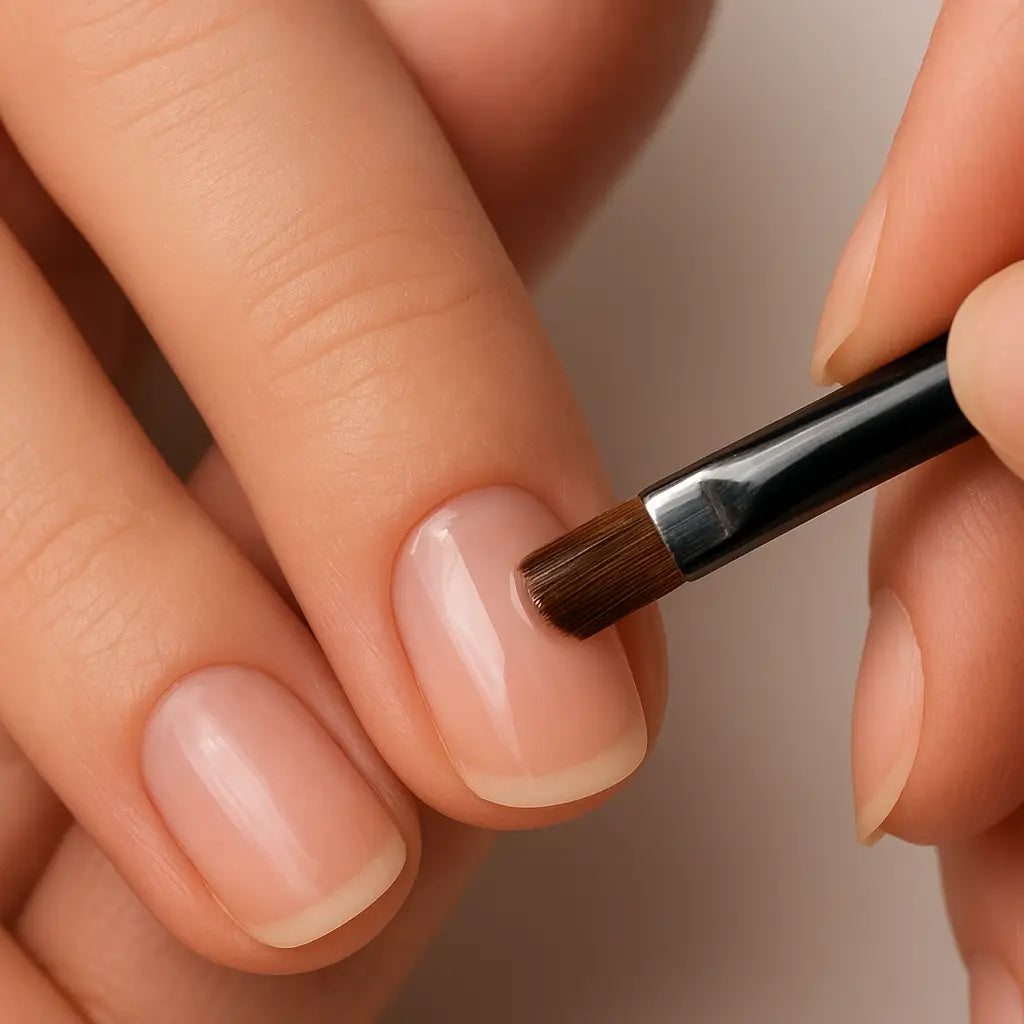
If you’re a nail technician, understanding chemistry isn’t optional — it’s part of delivering stronger, safer, long-lasting nail services. But you don’t need a science degree to understand the basics.
This beginner-friendly guide breaks down monomers, polymers, curing, crosslinking, and more — all in simple, salon-focused terms.
Why Nail Chemistry Matters More Than You Think
Every nail product you use — acrylic, gel, builder gel, polygel, top coat, base coat — is built on chemistry.
Knowing these basics helps you:
-
Avoid lifting and cracking
-
Choose the right product for the right client
-
Prevent allergies and overexposure
-
Cure products properly
-
Improve product retention
-
Work more safely and confidently
Once you understand how nail products work, everything else clicks into place.
1. What Are Monomers? (The “Building Blocks”)
Monomers are small, single molecules that join together to form long chains.
Think of monomers as tiny building blocks waiting to connect.
Where You’ll Find Monomers in Nails:
-
Acrylic liquid (monomer liquid)
-
Some builder gels
-
Certain gel systems that self-level
Why They Matter
Monomers:
-
Control curing time
-
Affect strength and flexibility
-
Determine how hard the final product becomes
-
Influence odor, consistency, and application
The right ratio of monomer + powder (in acrylic) is critical. Too wet or too dry affects strength dramatically.
2. What Are Polymers? (The “Finished Structure”)
When monomers link together, they form polymers — long chains that create a solid material.
In nails, polymers are what give structure, hardness, durability, and resistance.
Common Polymer-Based Products:
-
Acrylic powder (polymer powder)
-
Gel polish
-
Builder gel
-
Hard gel
-
Polygel
These products already contain polymers — they just need curing (UV/LED) or combining with monomer to harden.
3. What Is Polymerization? (The Process That Makes Nails Strong)
Polymerization is the chemical reaction that turns liquid or soft gel into a solid nail enhancement.
Two Types of Polymerization in Nails:
-
UV/LED Initiated (Light-Cured Gels)
-
Gel polish
-
Builder gel
-
Hard gel
-
Polygel
The lamp activates the photoinitiators so the product can cure.
-
-
Chemical Initiated (Acrylic System)
-
Begins when monomer + polymer powder are combined
-
No lamp needed
-
Self-curing via chemical reaction
-
Why Polymerization Must Be Correct
Under-cured = soft, lifting, allergies
Over-cured = brittle, cracking, heat spikes
Proper curing = strong, long-lasting, safe nails
4. Crosslinking: The Secret Behind Nail Strength
Crosslinking is the “bridging” between polymer chains that adds rigidity and durability.
The more crosslinks, the stronger the enhancement.
Products With High Crosslinking:
-
Hard gel
-
Acrylic
-
Builder gel
Products With Lower Crosslinking:
-
Gel polish (softer, flexible)
-
Rubber base (very flexible)
Understanding crosslinking helps you select the right product:
-
Need flexibility for thin nails? → Gel polish or rubber base
-
Need strength for long extensions? → Builder gel or acrylic
-
Need durability for heavy use? → Hard gel or acrylic
5. Why Not All Gels Are the Same
Many beginners think all gels work the same, but they differ chemically:
Builder Gel
-
Strong
-
Self-leveling
-
Flexible
-
Good for overlays or short-medium extensions
Hard Gel
-
Rigid and strong
-
Ideal for long extensions
-
Cannot soak off (must be filed)
Soft Gel (Gel Polish)
-
Flexible
-
Thin
-
Not strong enough alone for length
-
Soak-off
Each gel type has a different polymer network, which creates different performance.
6. How Adhesion Really Works (The Science Behind Lifting)
Adhesion depends on three things:
1. Mechanical Adhesion
Etching/scratching the nail to create texture for grip.
2. Chemical Adhesion
Primers, dehydrators, and bonding agents help products anchor better.
3. Physical Adhesion
Clean, dry nail surface with no oils or moisture.
If any of these fail, lifting happens — even if the product is high quality.
7. Safety: Why Understanding Chemistry Prevents Allergies
Allergies are usually caused by:
-
Under-cured product
-
Overexposure to monomers
-
Touching skin with uncured gel
-
Low-quality formulas with unregulated ingredients
Better chemistry knowledge = safer practice.
8. Choosing the Right Product for Each Client
Understanding the science helps you choose properly:
For thin, bendy nails:
→ Rubber base, flexible builder gel
For strong overlays:
→ Medium-viscosity builder gel
For long extensions:
→ Hard gel or acrylic
For fast services:
→ Soft gel tips + builder gel
For clients with lifting issues:
→ Proper prep, primer, and full curing
Final Thoughts
Chemistry might not be the glamorous part of nails, but it’s the foundation of every beautiful, long-lasting set.
When you understand how monomers, polymers, and curing work, you enhance your skill, safety, and results — instantly.