 Gel Polish
 Nail Lacquer
 Acrylic
 Nail Tools
 LED Lamps
 Pedicure Chairs
 Nail Art
 Furniture
How Nail Product Design Has Changed in the Last 10 Years
January 02, 2026
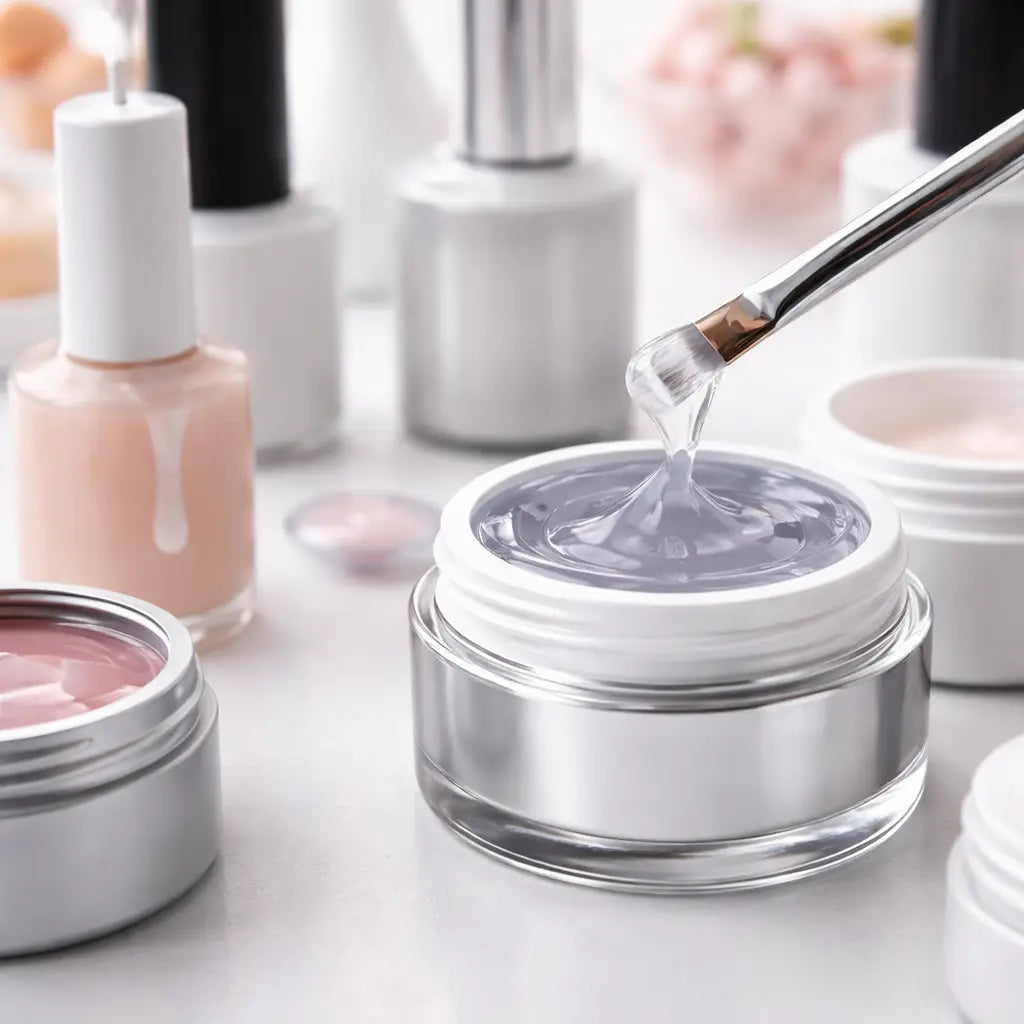
A decade ago, professional nail products were often judged by strength and shine alone. Today, product design goes far beyond appearance. Modern nail systems are engineered with chemistry, ergonomics, and long-term nail health in mind.
So what exactly changed? Quite a lot.
From “Strong Enough” to Scientifically Engineered
Ten years ago, many nail products focused on hardness. Thick formulas, heavy structures, and rigid finishes were considered signs of quality.
Today, designers aim for:
-
Balanced flexibility
-
Controlled viscosity
-
Layer compatibility
-
Reduced weight on the natural nail
The industry realized that strong doesn’t always mean better — resilient does.
Smarter Formulas, Not Thicker Ones
Older products often relied on bulk to achieve durability. This led to:
-
Heavy-feeling nail sets
-
Cracking at stress zones
-
Premature lifting
Modern nail products are formulated to:
-
Self-level efficiently
-
Maintain strength in thin layers
-
Absorb micro-movements of the nail
This shift allows nail techs to build structure without over-application.
Evolution of Viscosity Control
One of the biggest changes in the last decade is formula behavior during application.
Then:
-
Runny products required constant control
-
Thick products caused uneven surfaces
Now:
-
Controlled-flow gels stay where placed
-
Self-leveling products reduce filing time
-
Consistent viscosity improves speed and accuracy
This evolution directly impacts salon efficiency and final results.
Design That Supports Natural Nail Health
Product design has also become more nail-health conscious.
Modern systems prioritize:
-
Minimal dehydration
-
Reduced over-filing
-
Improved adhesion without aggressive primers
The goal is longevity without compromising the natural nail plate.
Compatibility Over Standalone Products
A decade ago, mixing products was common — often without considering chemical compatibility.
Today, professional systems are designed to:
-
Work cohesively layer by layer
-
Cure consistently across products
-
Reduce reaction issues like lifting or peeling
This shift favors complete systems over isolated formulas.
Packaging Designed for Professionals
Even packaging has evolved.
Modern nail product design considers:
-
Brush precision
-
Jar depth and access
-
Reduced contamination
-
Better product control
These changes improve consistency and reduce waste in daily salon use.
Faster Curing, Better Stability
Advances in curing technology have influenced product formulation.
Modern products are designed to:
-
Cure evenly under professional lamps
-
Reduce under-curing risks
-
Maintain color stability over time
This results in longer-lasting sets with less post-application breakdown.
Why These Changes Matter Today
For nail techs and professionals, modern product design means:
-
Less rework
-
Fewer failures
-
Faster services
-
More predictable results
For clients, it means:
-
Lighter, more comfortable nails
-
Longer retention
-
Healthier natural nails over time
Final Thoughts
The last ten years transformed nail products from simple cosmetic tools into engineered systems. Today’s professional nail products are designed with intention — every layer, texture, and cure serving a purpose.
Understanding this evolution helps nail techs choose better products, apply them more effectively, and deliver results that truly last.