 Gel Polish
 Nail Lacquer
 Acrylic
 Nail Tools
 LED Lamps
 Pedicure Chairs
 Nail Art
 Furniture
How Nail Products Absorb Stress Without Cracking
January 12, 2026
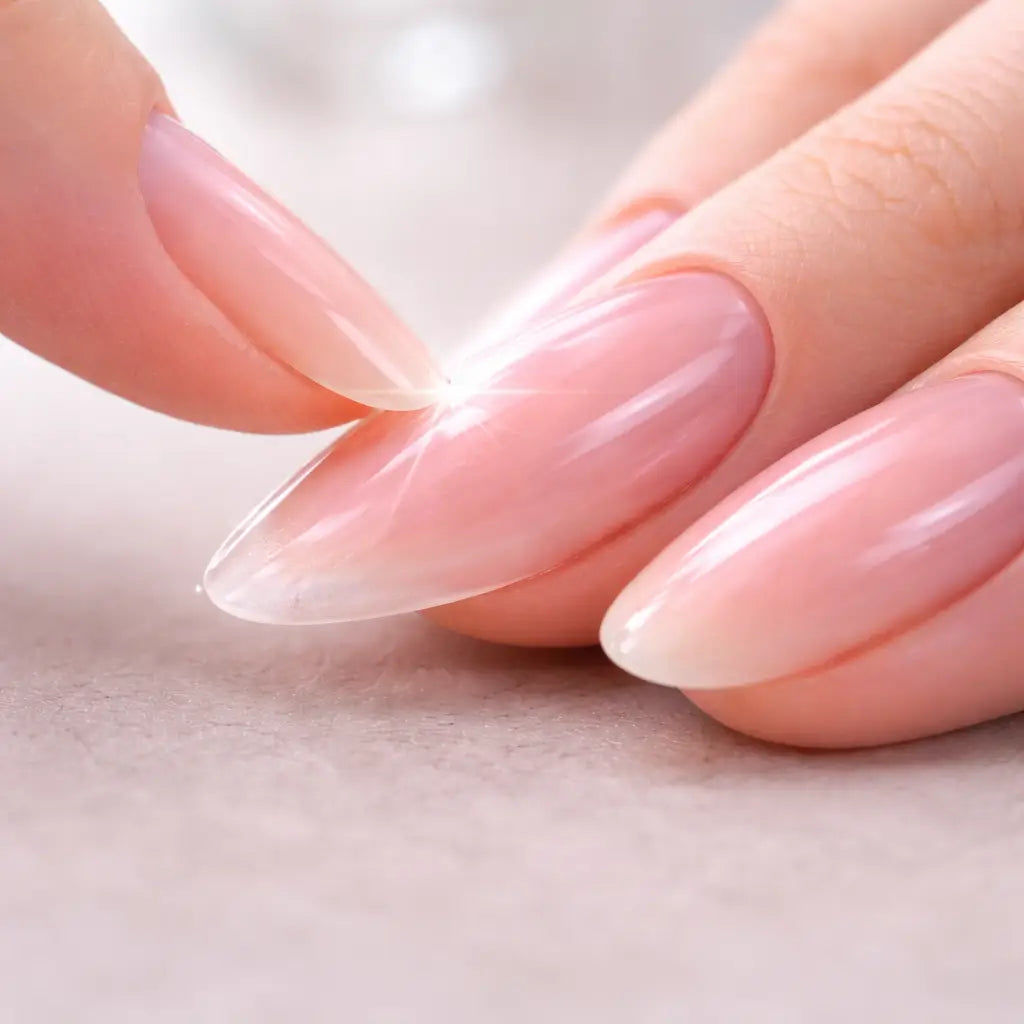
At first glance, a nail enhancement looks static—smooth, glossy, and perfectly shaped. But in real life, nails are constantly under stress. Typing, gripping, impact, temperature changes, and natural nail movement all place pressure on the product. The difference between nails that last and nails that crack comes down to one invisible factor: stress absorption.
Nails Are Not Rigid Surfaces
Natural nails flex. Even the strongest natural nail bends slightly during daily movement. When a nail product is too rigid, it resists that movement instead of working with it. Over time, stress builds at weak points—typically the apex, sidewalls, or free edge—until the product fractures.
Cracking isn’t usually caused by one big impact. It’s the result of repeated micro-stress that the product fails to absorb.
What Stress Absorption Really Means
Stress absorption is a product’s ability to disperse force instead of concentrating it in one spot. Rather than snapping under pressure, the product subtly flexes and returns to shape. This controlled flexibility protects both the enhancement and the natural nail underneath.
Think of it like shock absorption. A rigid structure transfers impact directly. A flexible structure diffuses it.
The Role of Formulation
Stress-absorbing nail products are engineered at a molecular level. Their internal structure allows movement without breaking integrity. This doesn’t mean the product feels soft or weak—it means it has balanced elasticity.
Well-formulated products:
-
Flex under pressure instead of cracking
-
Maintain shape after repeated stress
-
Reduce stress points at the apex and free edge
-
Protect the natural nail from trauma
This balance is what separates professional-grade systems from products that look good initially but fail weeks later.
Thickness Isn’t the Solution
Many technicians try to prevent breakage by adding more product. While thickness can help distribute force, it’s not a replacement for proper stress absorption. Overbuilding often leads to bulky nails that still crack—just later.
A thinner nail with good flexibility will outperform a thick, rigid one every time.
Why Cracks Appear Where They Do
Cracks commonly form:
-
Near the apex (highest stress zone)
-
Along sidewalls (lateral movement)
-
At the free edge (impact and leverage)
When a product can’t absorb stress, these areas become pressure traps. The crack is simply the visible result of internal failure.
Application Still Matters
Even the best stress-absorbing product needs correct application. Uneven structure, sharp transitions, or poor apex placement can override formulation benefits. Proper architecture allows stress to flow through the nail evenly instead of stopping abruptly.
Good product + correct structure = long-term durability.
The Takeaway
Nail durability isn’t about making nails harder—it’s about making them smarter. Products that absorb stress protect against cracking, chipping, and premature failure without sacrificing appearance or comfort.
When nails last longer with less maintenance, it’s not luck. It’s physics working quietly beneath the surface.