 Gel Polish
 Nail Lacquer
 Acrylic
 Nail Tools
 LED Lamps
 Pedicure Chairs
 Nail Art
 Furniture
How Storage Conditions Affect Nail Product Performance
December 15, 2025
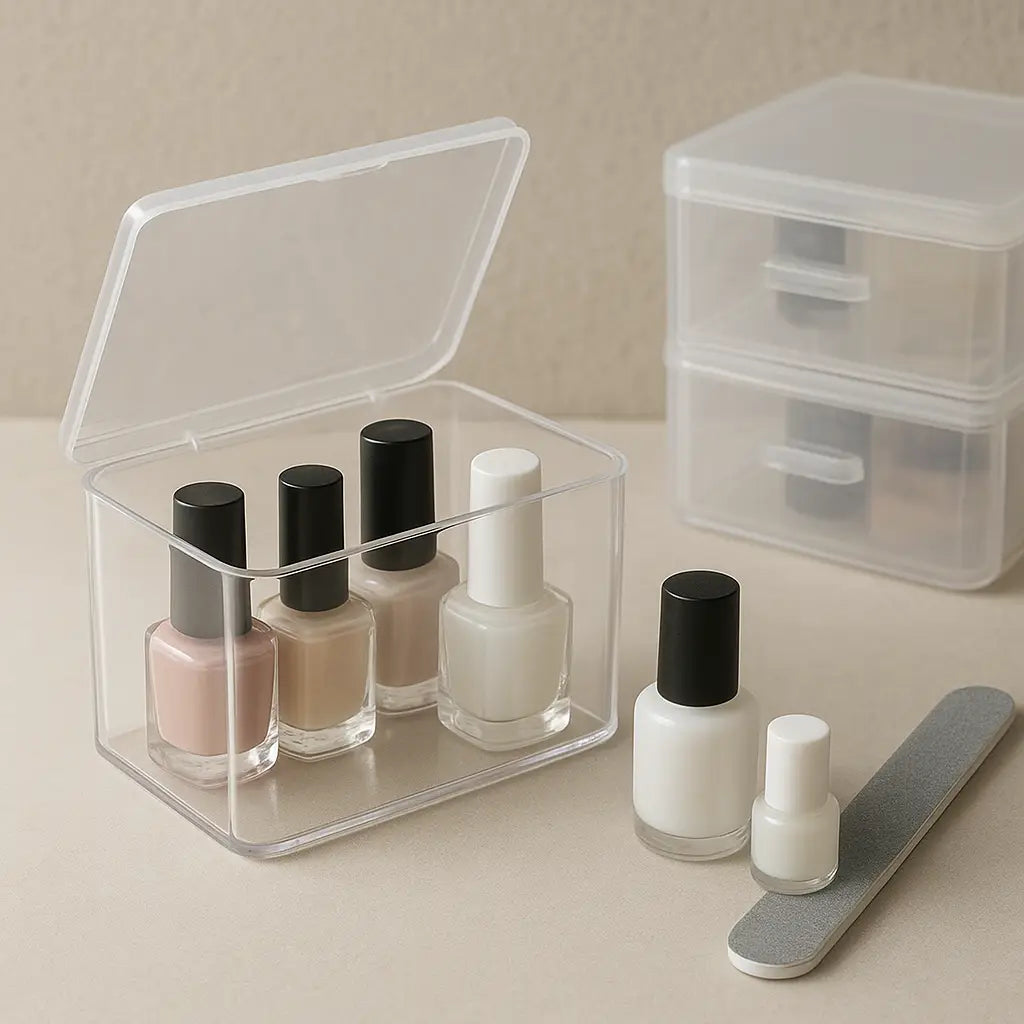
When nail products don’t perform as expected, most people blame application technique or product quality. But there’s a hidden factor many overlook: how those products are stored.
Temperature, light, air exposure, and humidity all play a major role in how nail products behave over time. Improper storage can shorten shelf life, alter consistency, weaken adhesion, and even cause lifting or curing issues.
Let’s explore how storage conditions affect nail product performance — and how to protect your investment.
Why Storage Matters More Than You Think
Nail products are chemically formulated to remain stable within specific environmental ranges. When those conditions aren’t met, the formula can begin to degrade — even if the product isn’t expired.
Poor storage can lead to:
-
Thickened or separated formulas
-
Reduced adhesion and wear time
-
Inconsistent curing
-
Color changes or cloudiness
-
Product waste and unnecessary replacements
Temperature: The Biggest Culprit
Heat Exposure
High temperatures can:
-
Thin gel and polish formulas
-
Cause premature curing in the bottle
-
Break down bonding agents
-
Shorten product lifespan
Leaving products near windows, heaters, or UV lamps can permanently alter their chemistry.
Cold Temperatures
Cold storage can:
-
Thicken gels and glues
-
Cause separation of ingredients
-
Make application uneven
Products stored in cold conditions should be allowed to return to room temperature before use.
Ideal storage temperature:
Approximately 18–24°C (65–75°F)
Light Exposure: UV Is Not Your Friend
Gel products are especially sensitive to light.
Exposure to:
-
Sunlight
-
UV or LED lamps
-
Bright salon lighting over time
can trigger partial curing inside the bottle, leading to:
-
Gritty texture
-
Reduced performance
-
Wasted product
Always store gels in opaque or UV-protective containers and keep them closed when not in use.
Air Exposure: Oxygen Changes Everything
Repeated exposure to air can:
-
Thicken nail glue
-
Cause gel polish to become stringy
-
Reduce bonding strength
Leaving bottles open during services or not sealing them properly allows oxygen to slowly alter the formula.
Best practice:
Open products only when needed and close them tightly after each use.
Humidity: The Silent Problem
High humidity can affect:
-
Nail glues
-
Acrylic liquids
-
Primers and dehydrators
Moisture in the air can weaken adhesion and cause unpredictable results — especially in summer or coastal climates.
Tip:
Store sensitive liquids in sealed containers away from sinks, steams, or wet stations.
How Improper Storage Impacts Specific Products
Gel Polish & Builder Gel
-
Thickening or shrinking
-
Uneven self-leveling
-
Inconsistent curing
Nail Glue
-
Loss of bonding strength
-
Premature drying
Primers & Dehydrators
-
Reduced effectiveness
-
Shortened shelf life
Acrylic Liquids
-
Chemical imbalance
-
Slower or faster setting times
Best Storage Practices for Nail Products
To maintain optimal performance:
-
Store products in a cool, dry place
-
Avoid direct sunlight or UV exposure
-
Keep lids tightly sealed
-
Store gels upright
-
Separate frequently used products from backups
Using drawers, cabinets, or storage organizers helps protect formulas from environmental stress.
Signs Your Nail Product Has Been Compromised
If you notice:
-
Sudden lifting issues
-
Changes in consistency
-
Strong or unusual odors
-
Poor curing or adhesion
Your product may be reacting to storage conditions rather than being defective.
Final Thoughts
Even the highest-quality nail products can fail if stored improperly. Protecting your gels, glues, and liquids ensures consistent performance, longer shelf life, and better results for every client.
Before replacing a product that “stopped working,” take a moment to consider where and how it’s been stored — the fix might be simpler than you think.