 Gel Polish
 Nail Lacquer
 Acrylic
 Nail Tools
 LED Lamps
 Pedicure Chairs
 Nail Art
 Furniture
The Ancient Origins of Foot Soaks: How Different Cultures Pampered Their Feet
June 12, 2026
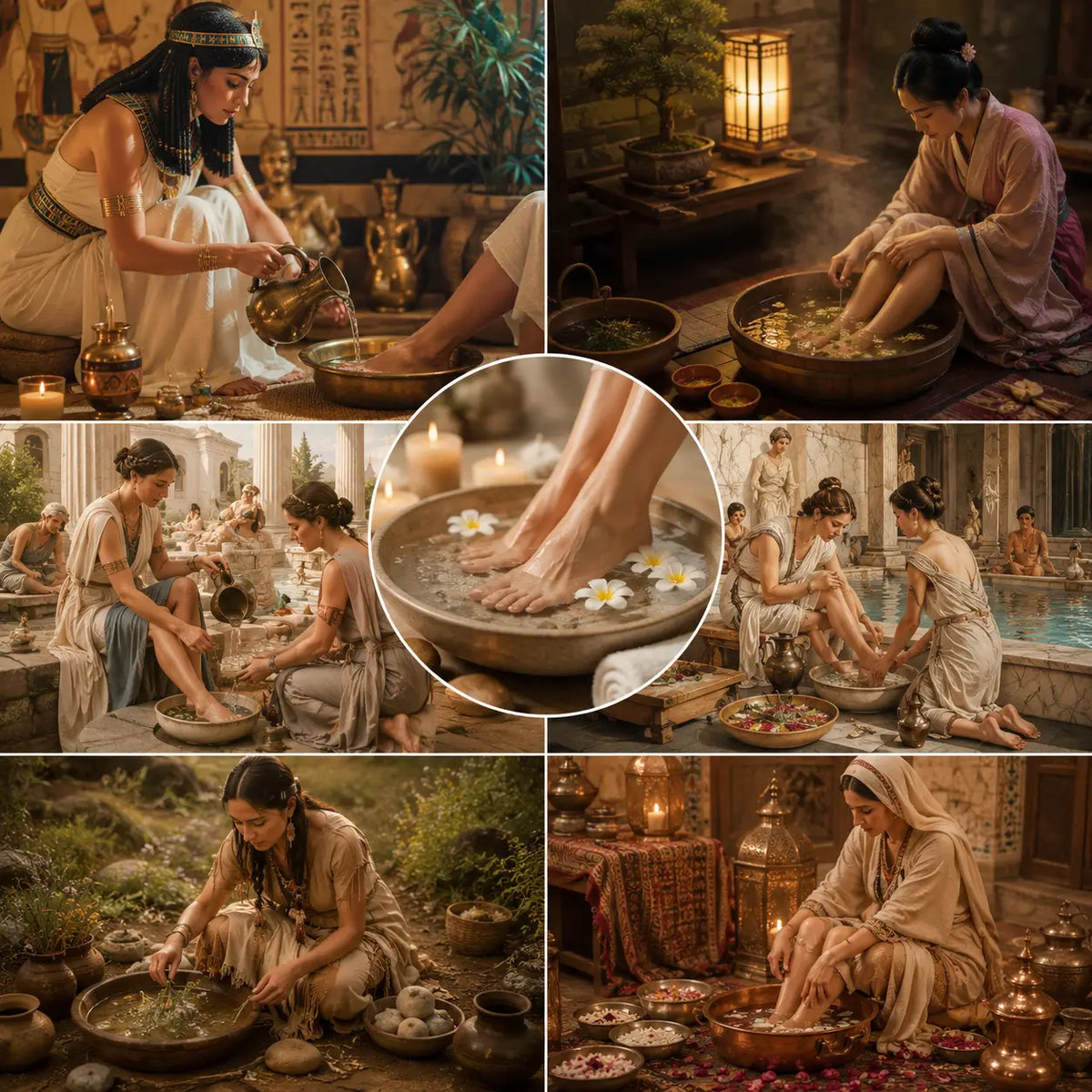
Long before modern spas, luxury pedicures, and self-care routines became popular, people around the world understood the importance of caring for their feet. For thousands of years, foot soaks have been used as a way to cleanse, refresh, and relax after long days of walking, working, and traveling.
While today's foot spa treatments may feature modern products and advanced techniques, the concept of soaking the feet has surprisingly ancient roots. Across civilizations, cultures developed their own unique rituals designed to keep feet comfortable, healthy-looking, and ready for daily life.
Let's take a journey through history to discover how different cultures pampered their feet long before the modern salon existed.
Why Foot Care Has Always Been Important
Throughout history, people relied heavily on their feet.
Unlike modern life, where cars and public transportation are common, ancient civilizations often traveled great distances on foot. Farmers, merchants, soldiers, and travelers spent countless hours walking on uneven terrain.
As a result, foot care wasn't simply a luxury—it was often a necessity.
Soaking the feet became a practical way to:
- Remove dirt and debris
- Soothe tired muscles
- Soften rough skin
- Improve comfort
- Promote relaxation after physical activity
Over time, these practical routines evolved into rituals associated with wellness and personal care.
Ancient Egypt: Beauty and Self-Care
The people of ancient Egypt are often credited with pioneering some of history's earliest beauty rituals.
Egyptians valued personal grooming and cleanliness, and foot care was no exception. Historical records suggest that oils, aromatic herbs, and natural ingredients were commonly used as part of beauty routines.
After spending time in hot desert climates, soaking and moisturizing the feet helped combat dryness and maintain soft skin.
Members of wealthy households often incorporated elaborate bathing rituals that extended from head to toe, making foot care an important part of overall self-presentation.
Ancient China: Balance and Relaxation
In ancient Chinese culture, foot care became closely connected with concepts of balance and well-being.
Warm foot baths were often incorporated into daily routines, particularly during the evening. Various herbs were sometimes added to water to create a soothing experience.
Traditional practices viewed the feet as an important part of the body's overall harmony. As a result, taking time to care for the feet was seen as a valuable wellness habit.
Even today, warm foot soaks remain popular throughout many parts of Asia as a simple way to unwind after a busy day.
Ancient Greece: Recovery After Activity
The ancient Greeks celebrated physical activity, athletics, and personal wellness.
Athletes who participated in competitions and training often sought ways to recover after intense exertion. Bathing and soaking rituals became common practices for maintaining comfort and cleanliness.
Public bathhouses played an important role in Greek society, providing spaces where people could relax and refresh themselves.
Foot soaks likely served both practical and social purposes, helping individuals recover from long periods of walking, exercise, and outdoor activity.
Ancient Rome: The Rise of Public Baths
The Romans elevated bathing into an art form.
Their famous bathhouses became gathering places where citizens could relax, socialize, and participate in wellness routines. These facilities often included multiple pools with varying temperatures.
Foot soaking naturally became part of the bathing experience.
For Romans, personal care reflected status, discipline, and respectability. Clean, well-maintained feet were considered part of overall grooming and hygiene.
The influence of Roman bathing culture can still be seen in many modern spa concepts today.
Japan: Simplicity and Relaxation
Japanese culture has long embraced the calming effects of warm water.
Traditional bathing practices often emphasized relaxation and mindfulness. While full-body bathing is well known, foot soaking also became a practical option for those seeking comfort after long days.
Warm water combined with a peaceful environment created an opportunity to relax both physically and mentally.
Modern foot spa experiences often borrow from this philosophy, focusing on comfort, tranquility, and self-care.
Indigenous Traditions Around the World
Many Indigenous cultures developed their own methods of caring for tired feet.
Natural resources such as mineral-rich waters, plant extracts, and herbal preparations were frequently incorporated into daily life.
People living close to nature often recognized the restorative benefits of water and used local ingredients to create soothing foot care rituals.
Although practices varied by region, the common goal remained the same: maintaining comfort and caring for one of the body's hardest-working parts.
What Ancient Foot Soaks Teach Us Today
Despite differences in geography and culture, one theme appears repeatedly throughout history: people understood that healthy-feeling feet contribute to overall comfort and well-being.
Ancient foot care traditions emphasized:
- Regular maintenance
- Cleansing and hygiene
- Relaxation and recovery
- Skin softening
- Personal wellness
These principles remain just as relevant today.
Modern foot spa treatments may feature advanced products, exfoliation techniques, moisturizing treatments, and professional pedicure services, but the foundation remains remarkably similar to practices used centuries ago.
The Modern Evolution of Foot Soaks
Today's foot spa experiences combine ancient traditions with modern innovation.
A contemporary foot soak may include:
- Warm water treatments
- Exfoliating ingredients
- Moisturizing products
- Callus-softening solutions
- Relaxing aromatherapy elements
These treatments help create smooth, refreshed feet while continuing a tradition that has existed across cultures for thousands of years.
Final Thoughts
The next time you enjoy a foot soak, you're participating in a ritual with a surprisingly rich history. From the bathhouses of ancient Rome to the wellness traditions of China and Japan, people have long recognized the value of taking care of their feet.
While techniques and products have evolved over time, the purpose remains unchanged: to refresh, restore, and care for the body from the ground up. It's a reminder that some of the best self-care practices are also some of the oldest.