 Gel Polish
 Nail Lacquer
 Acrylic
 Nail Tools
 LED Lamps
 Pedicure Chairs
 Nail Art
 Furniture
The Complete Guide to Nail Glue — Types, Strength, and Best Uses
December 04, 2025
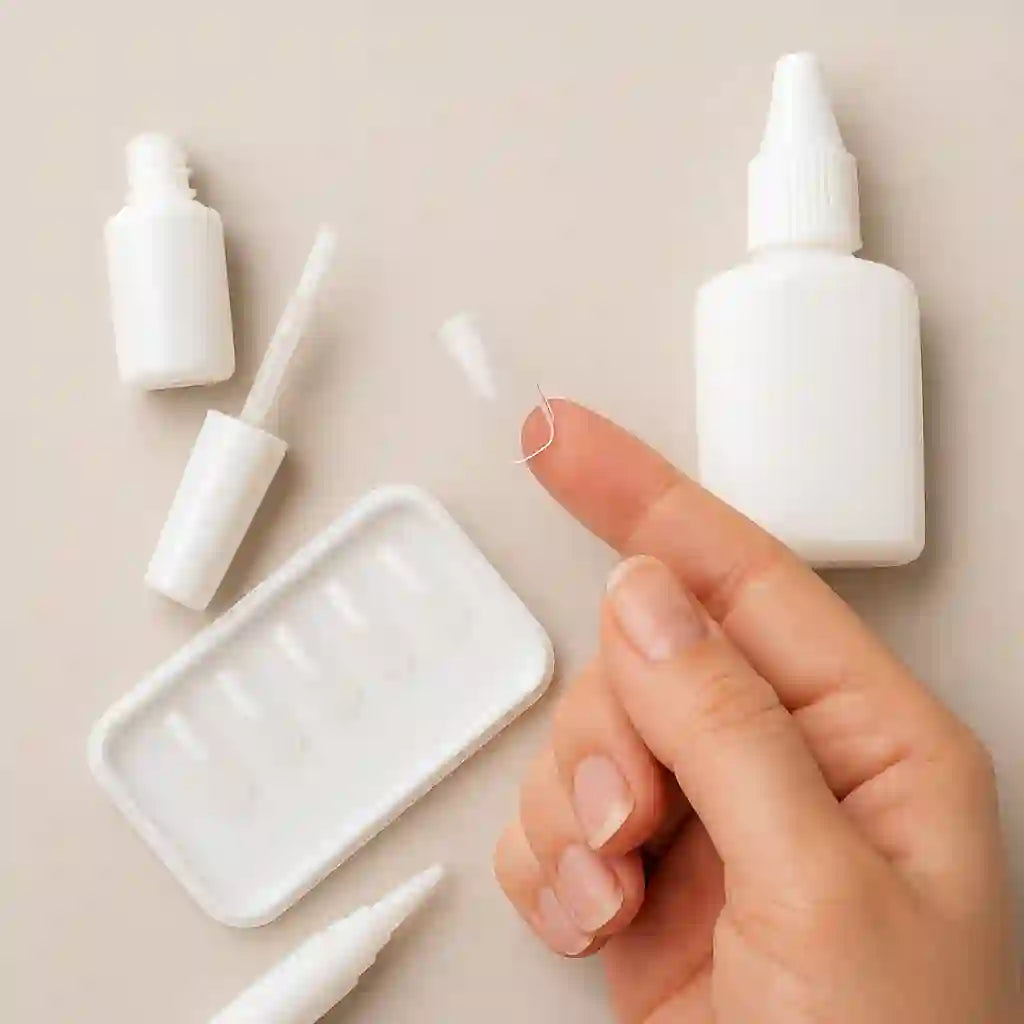
When it comes to nail enhancements, the right nail glue can make the difference between a flawless set and early lifting or breakage. Whether you’re working with press-ons, tips, wraps, or quick repairs, understanding nail glue types and strengths helps you work smarter and deliver longer-lasting results.
This guide breaks down everything you need to know — from formulas to curing speed to the best uses for each type.
What Is Nail Glue Made Of?
Most nail glues are made from cyanoacrylate, the same base ingredient in professional adhesives. But different formulas can drastically change how the glue behaves.
Common Additives:
-
Ethyl cyanoacrylate: Fast drying, flexible — great for everyday salon use.
-
Methyl cyanoacrylate: Very strong but more brittle — often used for nail repairs.
-
Thickeners: Adjust viscosity so the glue stays where you put it.
-
Plasticizers: Improve flexibility and reduce cracking.
Types of Nail Glue
Not all nail glues are the same. Here are the ones nail techs use most:
1. Brush-On Nail Glue
Best for:
✔ Press-on nails
✔ Silk or fiberglass wraps
✔ Quick repairs
✔ Clean, precise application
Brush-on formulas give you excellent control and reduce the risk of flooding the nail. They’re ideal for techs who want a clean, mess-free process.
2. Dropper-Style Nail Glue
Best for:
✔ Nail tips (especially full-well tips)
✔ Fast-paced application
✔ When you need quick bonding
These glues dispense a small drop at a time, which works perfectly for tip application. The formula is typically stronger and sets faster.
3. Gel Nail Glue (UV/LED Cure)
Best for:
✔ Long-wear press-ons
✔ Extra-strong hold
✔ Clients who are rough on their nails
Gel glues are thicker, give you more working time, and last longer than regular glue. They only harden when cured under a lamp, so you maintain control until the moment you cure.
4. Thick Viscosity “Resin” Glue
Best for:
✔ Nail repairs and cracks
✔ Ridged or uneven natural nails
✔ Securing nail art (crystals, charms)
This type has a syrup-like texture, making it perfect for filling cracks or bonding uneven surfaces.
How Strong Are the Different Types?
Here’s a simple comparison:
| Type of Glue | Bond Strength | Flexibility | Best Use |
|---|---|---|---|
| Brush-On | Medium | High | Press-ons, wraps, repairs |
| Dropper/Tip Glue | High | Medium | Tip application |
| Gel Nail Glue | Very High | Very High | Long-term hold, premium press-ons |
| Thick Resin Glue | High | Low | Crack repairs, nail art |
How to Choose the Right Nail Glue (Based on Service)
For Press-On Nails
-
Use gel nail glue for the longest wear
-
Use brush-on glue for quick everyday sets
For Nail Tips
-
Dropper-style glue is the industry standard
-
Fast set time = faster service
For Nail Repairs
-
Gel glue for deep cracks
-
Resin glue for surface cracks
For Nail Art
-
Thick resin glue holds heavy crystals
-
Gel glue works best for flat-backed gems
Common Nail Glue Mistakes (and How to Avoid Them)
1. Using Too Much Glue
More glue does NOT equal better adhesion. Too much leads to:
-
Air pockets
-
Weak bonds
-
Messy cuticles
Use a thin, even layer—enough to cover the surface.
2. Applying Glue on Oily Nails
Oil prevents adhesion. Always prep:
-
Push back cuticles
-
Buff lightly
-
Dehydrate with alcohol or prep solution
3. Not Holding the Tip Long Enough
Even fast-drying glue needs pressure for 5–10 seconds to form a solid bond.
4. Using the Wrong Glue for the Service
For example:
-
Press-ons with dropper glue → pops off
-
Heavy crystals with brush-on glue → falls off
-
Repairs with runny glue → won’t hold
Match the glue formula to the job.
How to Remove Nail Glue Safely
Never peel! Instead:
For Regular Glue
Soak in warm water + oil, then gently lift.
For Gel Glue
Soak in acetone 10–15 minutes, file the softened layer, repeat until removed.
If glue is on skin, use:
-
Warm soapy water
-
Oil
-
Acetone as a last resort
Final Thoughts
Using the right nail glue is essential for long-lasting, professional results. By understanding the different formulas and their best uses, you’ll reduce lifting, avoid breakage, and deliver higher-quality services for your clients.