 Gel Polish
 Nail Lacquer
 Acrylic
 Nail Tools
 LED Lamps
 Pedicure Chairs
 Nail Art
 Furniture
The Cost of Fighting Your Product During Application
January 15, 2026
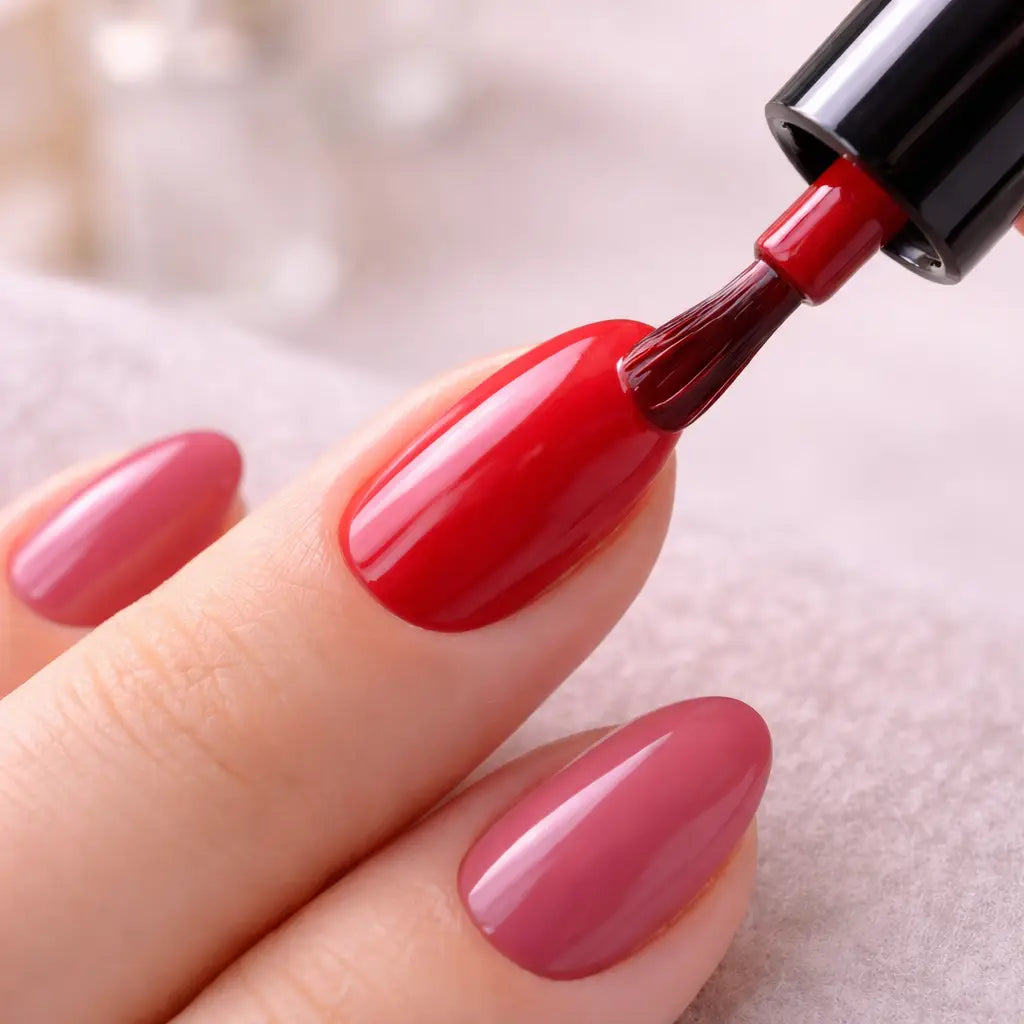
Most nail professionals blame slow sets, uneven structure, or early wear on technique. But there’s a quieter issue that drains time, energy, and consistency every day: fighting the product during application.
When a product resists your movement instead of responding to it, the cost shows up everywhere—often without you realizing why.
What “Fighting the Product” Really Means
Fighting your product doesn’t always feel dramatic. It shows up as small frustrations:
-
Product pulling back instead of leveling
-
Constant brush correction to maintain shape
-
Rebuilding the apex multiple times
-
Over-filing to fix thickness or imbalance
-
Rushing because the product won’t cooperate
None of these are obvious mistakes—but together, they add friction to every set.
Time Isn’t the Only Thing You Lose
Yes, difficult products slow application. But the real cost runs deeper.
When a product lacks balanced flow or predictable movement, it forces you into reactive work instead of controlled placement. That leads to:
-
Mental fatigue from constant adjustment
-
Inconsistent results between clients
-
Subtle tension in the wrist and hand
-
Reduced confidence in structural decisions
Over time, this creates burnout—not because the work is hard, but because it’s unnecessarily resistant.
Overworking Is a Symptom, Not the Problem
Many techs assume overworking comes from perfectionism. Often, it’s the product itself.
If viscosity shifts mid-application, or the surface tension doesn’t settle evenly, your instinct is to keep fixing. Each pass of the brush or file introduces micro-errors that weren’t there before.
The result?
A set that looks “worked on” instead of effortlessly built.
Control Changes Everything
When product flow is predictable:
-
Placement becomes intentional
-
Gravity works with you, not against you
-
Apex forms naturally instead of being forced
-
Filing becomes refinement, not correction
Speed improves not because you move faster—but because you stop undoing your own work.
The Hidden Long-Term Cost
Fighting your product doesn’t just affect today’s set. Over months and years, it can:
-
Shorten career longevity due to repetitive strain
-
Lower client trust from inconsistent outcomes
-
Make advanced techniques feel harder than they should
-
Limit growth because you’re always compensating
A product should reduce decision-making, not increase it.
Final Thought
Great application doesn’t feel like a battle.
It feels calm, controlled, and repeatable.
When your product supports your movement instead of resisting it, the work becomes quieter—and that’s where real efficiency, consistency, and longevity come from.