 Gel Polish
 Nail Lacquer
 Acrylic
 Nail Tools
 LED Lamps
 Pedicure Chairs
 Nail Art
 Furniture
The Evolution of Nail Technology: From Acrylics to Hybrid Gels
March 05, 2026
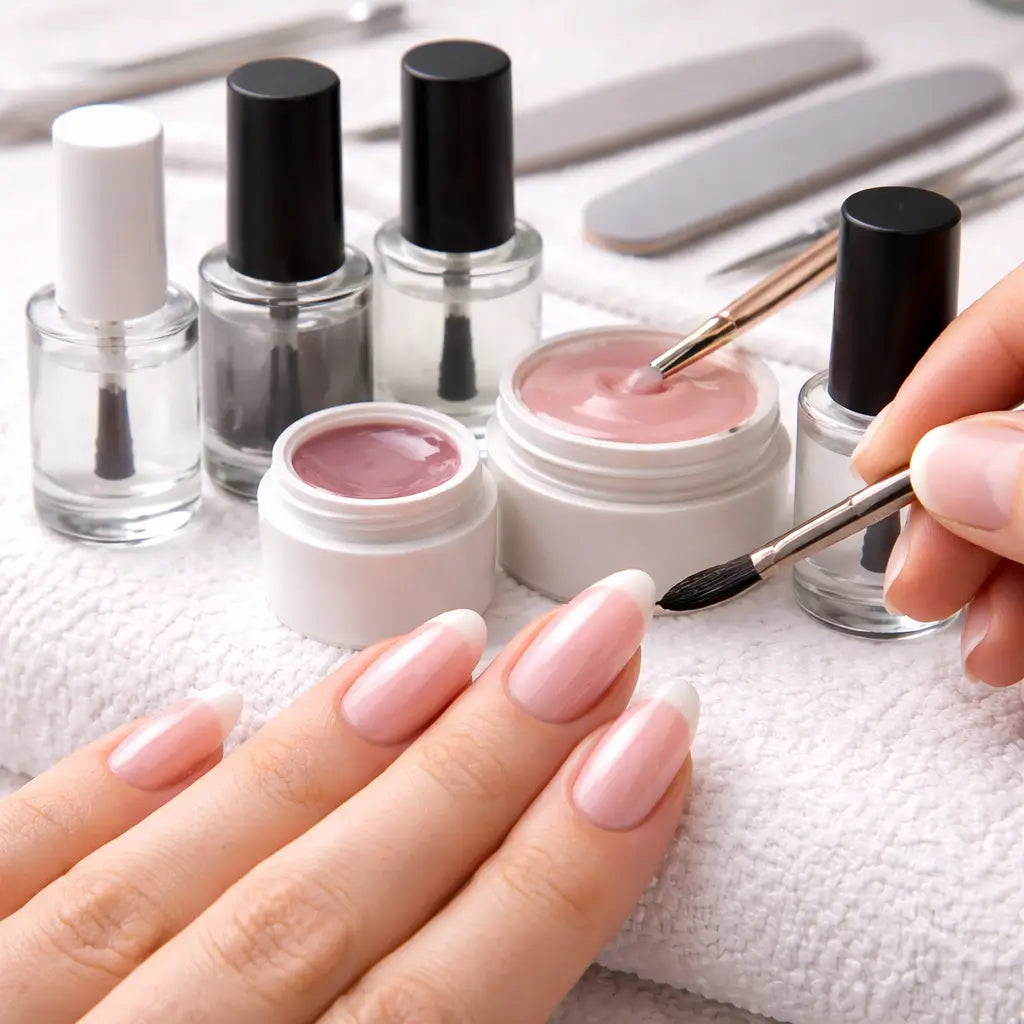
The modern nail industry is built on decades of innovation. What began as simple cosmetic enhancements has transformed into a sophisticated blend of chemistry, artistry, and technology. Today’s nail professionals work with advanced systems designed to provide durability, flexibility, and aesthetic precision. But these modern solutions didn’t appear overnight.
The journey from early acrylic systems to today’s hybrid gels tells a story of constant refinement. Each generation of products solved the limitations of the previous one, pushing the industry toward stronger, safer, and more versatile nail enhancements.
The Early Era: The Rise of Acrylic Nails
Acrylic nails marked one of the most significant turning points in nail technology. Introduced in the mid-20th century, acrylic systems allowed nail technicians to create artificial nail extensions that were far stronger than natural nails.
Acrylic enhancements are formed by combining a liquid monomer with a powder polymer. When mixed, these ingredients create a moldable bead that hardens when exposed to air through a chemical reaction known as polymerization.
This breakthrough allowed technicians to:
-
Sculpt longer nails
-
Reinforce weak natural nails
-
Repair broken nails
-
Create dramatic shapes and structures
For many years, acrylics dominated the professional nail industry because they provided unmatched strength and durability.
However, early acrylic formulas also had limitations. They could feel rigid, sometimes appeared bulky if not sculpted properly, and often carried a strong chemical odor during application. These challenges inspired the next wave of nail innovation.
The Introduction of Hard Gel Systems
As nail technology advanced, manufacturers began developing gel-based systems that cured under ultraviolet (UV) lamps. Unlike acrylics, gels did not rely on air-activated chemical reactions. Instead, they hardened through light-activated photoinitiators.
Hard gels offered several advantages over traditional acrylic systems:
-
A lighter, more flexible feel
-
High-gloss finishes without heavy buffing
-
Lower odor during application
-
More natural-looking enhancements
Hard gel also allowed nail artists to create elegant overlays and extensions with a thinner structure. The ability to cure products under UV lamps gave technicians more working time to perfect the shape before the material hardened.
Despite these benefits, early gel systems were often less rigid than acrylics and sometimes lacked the same level of strength for extremely long extensions.
This led manufacturers to continue experimenting with new formulations that combined the best qualities of both systems.
The Gel Polish Revolution
The next major breakthrough came with the introduction of gel polish systems. These products blurred the line between traditional nail polish and hard gel.
Gel polish provided:
-
Long-lasting wear
-
Chip resistance
-
High shine
-
Quick curing under LED or UV lamps
Unlike traditional nail polish that could chip within days, gel polish could last for two to three weeks with proper application. This innovation dramatically changed the expectations of clients seeking durable manicures.
For nail technicians, gel polish opened the door to faster services and consistent results, making it one of the most widely adopted systems in salons worldwide.
But while gel polish solved many issues with longevity, it was not designed for building structure or creating long extensions.
This gap led to the next stage in nail technology.
Hybrid Systems: The Best of Both Worlds
Modern hybrid nail systems combine elements of acrylic strength with the flexibility and control of gels. These advanced products aim to offer the advantages of multiple technologies within a single system.
Hybrid formulas often provide:
-
Strong yet flexible structures
-
Minimal odor during application
-
Smooth, self-leveling consistency
-
Improved control during sculpting
Some hybrid gels are thick enough to build structure while remaining easier to shape than traditional acrylics. Others combine powder-like strength with gel-based curing systems.
These innovations give technicians greater freedom to customize nail enhancements based on each client’s needs.
Hybrid systems also support modern nail trends such as:
-
Natural-looking overlays
-
Structured manicures
-
Ultra-thin extensions
-
Detailed nail art
As a result, they have become increasingly popular among professionals who want performance without sacrificing aesthetics.
Advances in Nail Chemistry and Safety
The evolution of nail technology is not only about durability and beauty—it also reflects improvements in product safety and formulation.
Modern professional products often focus on:
-
Reduced odor formulas
-
Improved adhesion
-
Lower heat spikes during curing
-
Enhanced flexibility to prevent breakage
Manufacturers continue refining ingredients to make products more comfortable for both technicians and clients. The industry has also placed greater emphasis on proper training, sanitation, and application techniques.
These improvements ensure that nail enhancements can remain both safe and long-lasting when applied correctly.
Technology Meets Nail Art
As product chemistry has improved, nail artistry has evolved alongside it. Stronger and more versatile materials allow technicians to experiment with advanced designs that were once difficult to achieve.
Modern nail technology supports creative techniques such as:
-
encapsulated designs
-
sculpted 3D art
-
chrome finishes
-
foil transfers
-
blooming gel effects
These techniques rely on precise curing behavior, strong adhesion, and flexible structures—all made possible by the latest product innovations.
The combination of science and creativity is what defines the modern nail industry.
The Future of Nail Technology
Nail technology continues to evolve as researchers and manufacturers push the boundaries of formulation science. Future developments may focus on even more advanced hybrid systems that improve strength while maintaining a lightweight feel.
We may also see innovations such as:
-
faster curing technologies
-
enhanced durability for long extensions
-
eco-conscious formulations
-
smarter products designed for professional precision
As client expectations grow, the demand for long-lasting, natural-looking nails will continue driving innovation.
A Continuous Evolution
From the strong sculpting power of acrylics to the flexibility of modern hybrid gels, nail technology has undergone remarkable transformation. Each stage in this evolution has improved the balance between durability, comfort, and artistic freedom.
For nail professionals, understanding this history provides valuable insight into why different systems behave the way they do. More importantly, it highlights how innovation continues to shape the tools and techniques used in modern nail artistry.
The future of nails will likely bring even more advanced materials—but the foundation built by decades of technological progress will always remain at the heart of the craft.