 Gel Polish
 Nail Lacquer
 Acrylic
 Nail Tools
 LED Lamps
 Pedicure Chairs
 Nail Art
 Furniture
The Hidden Role of Base Coats in Nail Retention
December 14, 2025
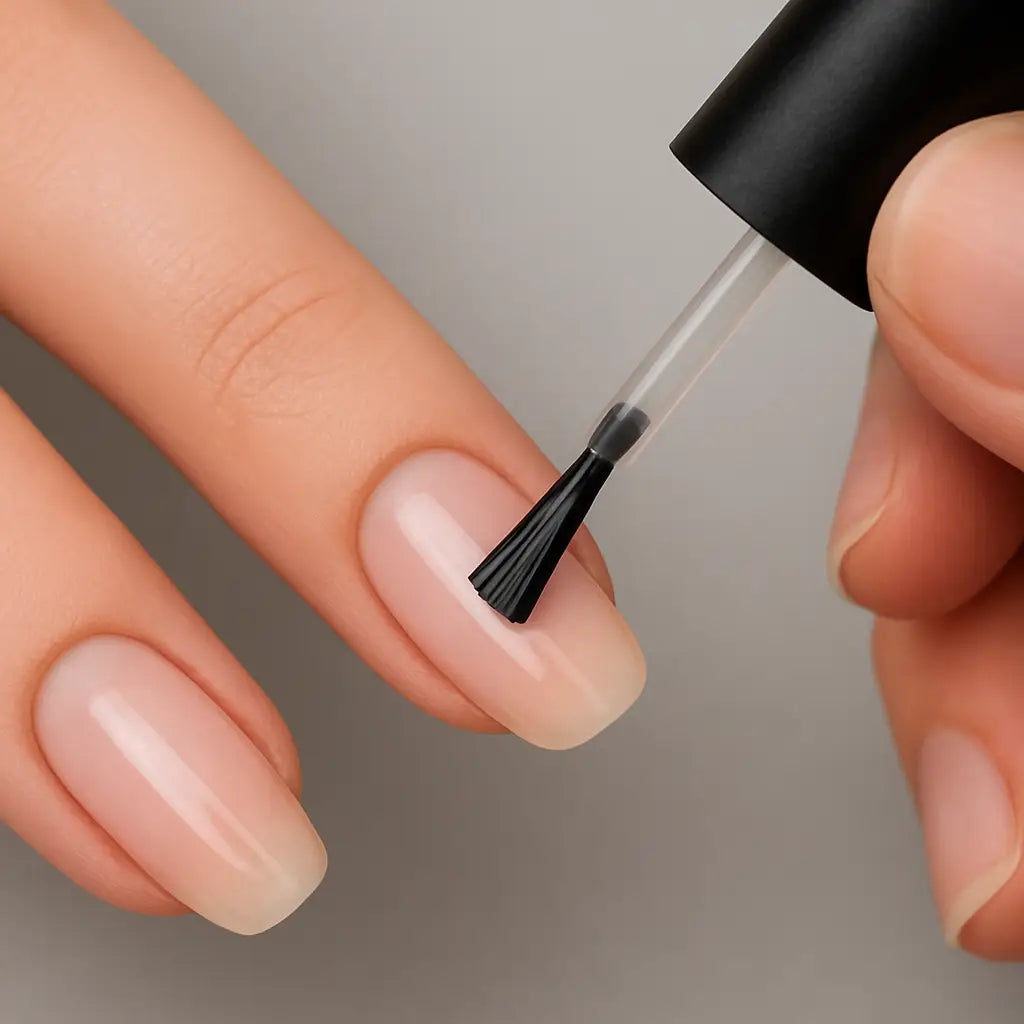
When clients complain about lifting, chipping, or short wear time, the blame often falls on gel polish, builder gel, or top coat. But in many cases, the real issue is hiding in plain sight: the base coat.
Base coats do far more than simply “prep” the nail. They are the bonding layer that determines whether a set lasts days or weeks. Understanding how base coats work — and choosing the right one — can dramatically improve nail retention.
What Does a Base Coat Actually Do?
A base coat acts as the adhesive bridge between the natural nail and the product layered on top. It is formulated to:
-
Bond to the natural nail plate
-
Create a compatible surface for gels, builders, or acrylic systems
-
Absorb stress from daily wear
-
Prevent lifting and premature chipping
Without a proper base coat, even the highest-quality gel system will struggle to stay intact.
Why Nail Retention Often Fails at the Base Layer
Poor retention usually starts before color is ever applied. Common base-coat-related causes include:
-
Using the wrong base coat for the product system
-
Applying the base coat too thick or too thin
-
Under-curing or over-curing
-
Skipping base coat entirely for “quick sets”
-
Using a worn-out or expired formula
Because base coats are invisible once the set is finished, they are often overlooked — yet they determine how everything else performs.
Different Types of Base Coats (And When to Use Them)
Traditional Base Coat
Best for standard gel polish applications.
-
Thin consistency
-
Promotes adhesion
-
Minimal structure
Ideal for: Natural nails with no added length or reinforcement.
Rubber Base Coat
A more flexible, shock-absorbing option.
-
Slightly thicker
-
Adds light strength
-
Helps with weak or bendy nails
Ideal for: Clients prone to chipping or lifting at the free edge.
Builder Base / Builder-in-a-Bottle
Functions as both a base coat and a strengthening layer.
-
Higher viscosity
-
Adds structure and apex support
-
Extends wear time
Ideal for: Short extensions, overlays, or clients with fragile nails.
How Base Coats Improve Nail Retention
A quality base coat helps by:
-
Absorbing micro-movements of the natural nail
-
Reducing stress between layers
-
Creating even adhesion across the nail plate
-
Preventing separation at the cuticle and sidewalls
This is especially important for clients with:
-
Oily nail plates
-
Flexible or thin nails
-
Hands frequently exposed to water or chemicals
Common Base Coat Mistakes That Cause Lifting
Even the right base coat can fail if applied incorrectly.
Mistake 1: Applying Too Thick
Thick layers prevent proper curing and weaken adhesion.
Mistake 2: Skipping Nail Prep
Base coats cannot bond to oils, dust, or dead cuticle.
Mistake 3: Incorrect Curing Time
Under-curing leads to soft adhesion layers; over-curing can cause brittleness.
Mistake 4: Mismatching Systems
Not all base coats are compatible with all gels or builders.
How to Choose the Right Base Coat for Better Retention
When selecting a base coat, consider:
-
Nail flexibility
-
Product system used (soft gel, builder gel, acrylic)
-
Client lifestyle
-
Climate and humidity
Using multiple base coat options — instead of one universal formula — allows you to customize each set for maximum longevity.
Why Professional-Grade Base Coats Matter
High-quality base coats:
-
Bond more consistently
-
Cure evenly
-
Maintain flexibility over time
-
Reduce lifting and service redos
Cheap or low-quality formulas often break down under stress, causing lifting even when everything else is done correctly.
Final Thoughts
Base coats are the unsung heroes of long-lasting nail sets. When chosen and applied correctly, they dramatically improve retention, durability, and client satisfaction.
If lifting is a recurring issue, don’t just change colors or top coats — re-evaluate your base coat first.