 Gel Polish
 Nail Lacquer
 Acrylic
 Nail Tools
 LED Lamps
 Pedicure Chairs
 Nail Art
 Furniture
The Hidden Role of Viscosity in Preventing Nail Breakage
January 11, 2026
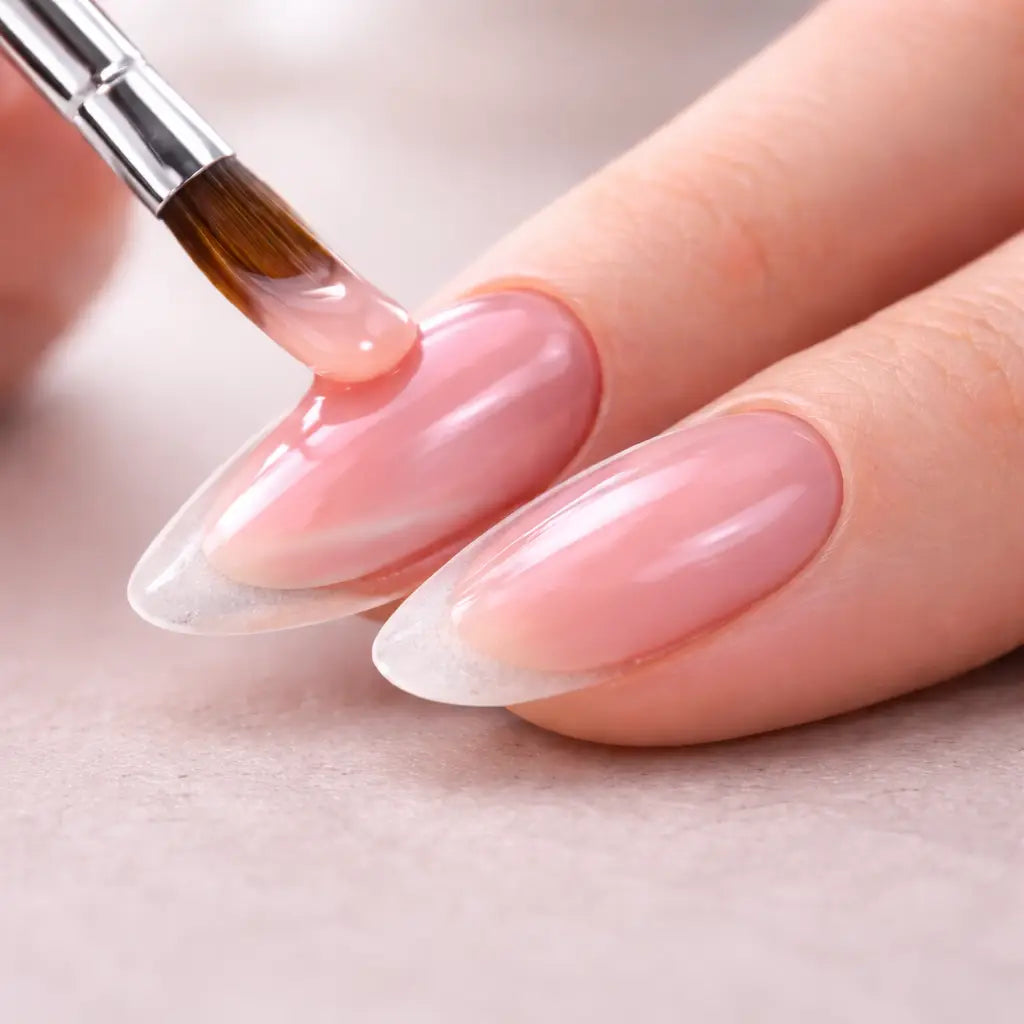
When nail sets break, chip, or crack, most people blame the nail itself — weak nails, improper prep, or daily wear and tear. But one of the most overlooked factors in nail durability is product viscosity.
Viscosity isn’t just about how thick or thin a product feels. It directly affects structure, flexibility, stress distribution, and long-term wear. Understanding viscosity can be the difference between nails that snap unexpectedly and nails that stay strong for weeks.
Let’s break down why viscosity matters more than you think.
What Is Viscosity in Nail Products?
Viscosity refers to how a product flows, moves, and holds shape during and after application.
-
Low viscosity products flow easily, spread quickly, and self-level fast
-
Medium viscosity products balance flow with structure
-
High viscosity products are thicker, hold form, and provide support
Each viscosity behaves differently once cured — and each plays a specific role in preventing breakage.
Why Nail Breakage Happens in the First Place
Nails don’t usually break because they’re “too thin” — they break because stress isn’t distributed evenly.
Common causes include:
-
Weak apex or poor structure
-
Product pulling away from high-stress zones
-
Rigid layers with no flexibility
-
Over-filing thin areas while others remain thick
Viscosity controls how product settles into these stress zones during application.
How Viscosity Protects the Nail Structure
1. Even Stress Distribution
Medium-to-high viscosity products stay where they’re placed, allowing technicians to build strength exactly where the nail bends most — typically the apex and sidewalls.
Low-viscosity products may flow away from these areas, leaving weak points that snap under pressure.
2. Reduced Micro-Cracking
When viscosity is balanced correctly, the cured product flexes slightly with the natural nail instead of resisting movement.
Products that are:
-
Too thin → crack under pressure
-
Too thick and rigid → snap instead of flex
Proper viscosity absorbs daily impact instead of transferring stress directly to the nail plate.
3. Controlled Thickness Without Bulk
Higher-viscosity formulas allow structure without unnecessary thickness.
This means:
-
Nails look thin and natural
-
Strength is built internally
-
Less risk of leverage breakage at the free edge
Breakage often comes from nails that look strong but lack internal support.
The Relationship Between Viscosity and Application Technique
Viscosity directly affects how much you need to manipulate a product.
-
Smooth, controlled viscosity = less overworking
-
Less overworking = fewer air pockets and weak spots
-
Fewer weak spots = stronger, longer-lasting nails
When a product fights the brush, it usually leads to uneven curing and internal stress points.
Why One Viscosity Can’t Do Everything
Professional nail systems use different viscosities for different layers:
-
Lower viscosity for base adhesion
-
Medium viscosity for overlays and balance
-
Higher viscosity for structure and reinforcement
Using a single viscosity for every step often leads to compromise — either flexibility or strength is sacrificed.
Signs Your Product Viscosity Isn’t Right
You may notice:
-
Nails breaking near the stress area
-
Cracks appearing without visible trauma
-
Sets snapping instead of bending
-
Excessive filing needed to correct structure
These aren’t skill issues — they’re often formula mismatch problems.
Why Professional Products Focus on Viscosity Balance
High-quality nail products are engineered to:
-
Flow predictably
-
Hold structure during curing
-
Maintain flexibility after curing
-
Support long-term wear
This balance is what separates nails that last a few days from nails that last weeks.
Final Thoughts
Viscosity isn’t just about ease of application — it’s about engineering durability into every layer of the nail.
When the right viscosity is used in the right place:
-
Stress is absorbed, not transferred
-
Nails bend instead of snap
-
Breakage becomes rare, not routine
Strong nails aren’t accidental — they’re built with intention, structure, and the right product behavior.