 Gel Polish
 Nail Lacquer
 Acrylic
 Nail Tools
 LED Lamps
 Pedicure Chairs
 Nail Art
 Furniture
The Hidden Science of Gel Curing — Under-Cured vs Over-Cured Nails
December 05, 2025
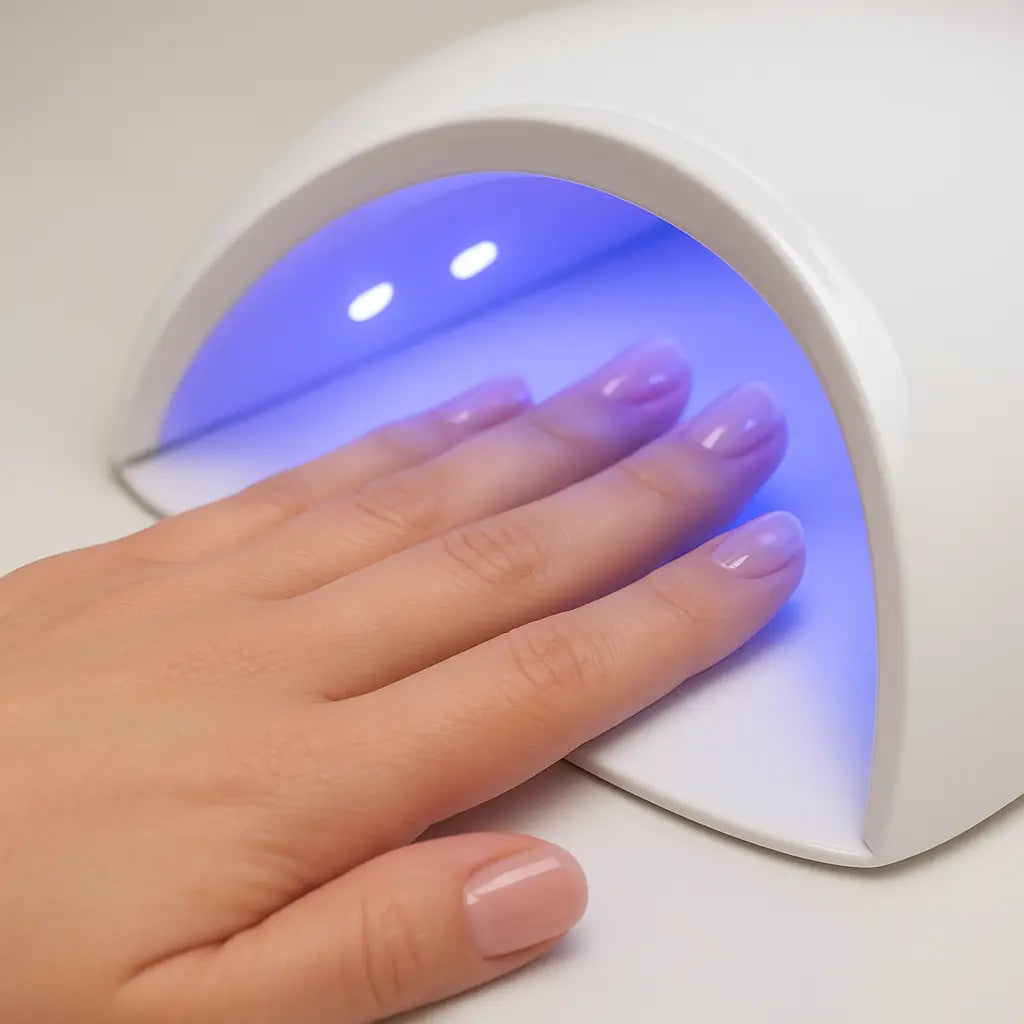
Gel nails may look simple on the surface, but behind every flawless manicure is a careful balance of chemistry, timing, and the right equipment. One of the biggest factors that determines whether a gel manicure lasts two days or three weeks is curing — specifically whether the gel is properly cured, under-cured, or over-cured.
Most clients only see the final shine, but nail techs know:
✨ Curing is where the real science happens.
Let’s break down what really goes on under the lamp and how to avoid mistakes that weaken the nail or damage the gel.
What Actually Happens During Gel Curing?
Gel products cure through a chemical reaction called polymerization. When exposed to the correct UV/LED light, the photo-initiators inside the gel activate, linking monomers and oligomers together to form a hardened, durable structure.
For this to work properly, three things must align:
-
Correct wavelength (depending on your gel formula)
-
Correct intensity (Wattage)
-
Correct curing time
If any of these are off, you either get under-curing or over-curing.
Under-Cured Nails: The Silent Service Killer
Under-curing happens when the gel does not fully polymerize.
This can occur when:
-
The lamp isn’t strong enough
-
The gel layer is too thick
-
The wrong lamp is used for the product
-
The client’s hand is not properly positioned
-
The curing time is too short
❌ Signs of Under-Cured Gel
-
Nails feel soft or flexible
-
Product lifts within days
-
Peeling at the edges
-
Gel appears wrinkled
-
Sticky inhibition layer is unusually thick
-
Heat spikes are very mild (under-curing often feels like nothing)
🔥 Why Under-Curing Is Dangerous
Under-cured gel is not just weak — it’s a chemical safety issue.
Uncured monomers can:
-
Cause allergic reactions, leading to lifelong gel allergies
-
Irritate the skin around the nails
-
Break down faster, causing lifting and bacterial concerns
➡ If gel is lifting in sheets or peeling, under-curing is the #1 suspect.
Over-Cured Nails: The Hidden Opposite Problem
Over-curing happens when the gel is exposed to too much light or too much heat, usually from:
-
Using a lamp that’s too powerful
-
Leaving the hand under the lamp too long
-
Layer too thin or too pigmented
-
Using a lamp not compatible with the gel brand
❌ Signs of Over-Cured Gel
-
Gel becomes brittle and cracks
-
Top coat seems overly hard or plastic-like
-
Burning, painful heat spikes during curing
-
Discoloration over time
-
Shrinking around the edges
Over-curing doesn’t cause allergies the same way under-curing does, but it makes your manicure more likely to break or chip.
How to Cure Gel Perfectly
Consistency is key. Here’s how pros get flawless results every time:
✔ Use a High-Quality, Compatible Lamp
Not all lamps cure all gels. 365–405 nm is standard, but formulas vary.
Your gel and your lamp must be a match.
✔ Apply Even, Thin Layers
Thick layers = under-cured gel.
Paper-thin layers = over-curing and brittleness.
✔ Keep the Hand Flat & Centered
Uneven lamp angles = uneven curing.
✔ Stick to Recommended Timing
Most soft gels cure in 30–60 seconds. Builder gels vary.
✔ Replace Old Lamps
Most lamps lose power after 6–12 months of daily salon use.
Should You Worry About Heat Spikes?
Heat spikes are a natural part of polymerization — stronger gels produce more heat.
But too much heat = too rapid curing.
Try:
-
Flash curing for 5 seconds
-
Then full curing
-
Using lower-heat builder gels
-
Keeping layers thinner
How Products You Sell Fit In
If you sell lamps, gel polishes, builders, or top coats, this section can help boost conversions:
✔ High-quality UV/LED lamps ensure proper polymerization
Clients get fewer allergies, fewer liftings, and longer-lasting nails.
✔ Premium builders and gels cure more consistently
This reduces under/over-curing even for beginners.
✔ Good-quality top coats resist over-curing brittleness
They maintain shine longer and keep nails flexible.
Final Thoughts
Gel curing is more than just pressing a button — it’s a fine balance of chemistry, timing, and technique.
When you understand the science behind polymerization, you can:
-
Prevent lifting
-
Reduce breakage
-
Avoid allergic reactions
-
Create long-lasting, salon-quality results
-
Choose better products and lamps
Proper curing isn’t just “better.”
It’s essential for professional, healthy, and long-lasting nails.