 Gel Polish
 Nail Lacquer
 Acrylic
 Nail Tools
 LED Lamps
 Pedicure Chairs
 Nail Art
 Furniture
The Science Behind That “Click” Sound When Nails Are Too Thick
January 01, 2026
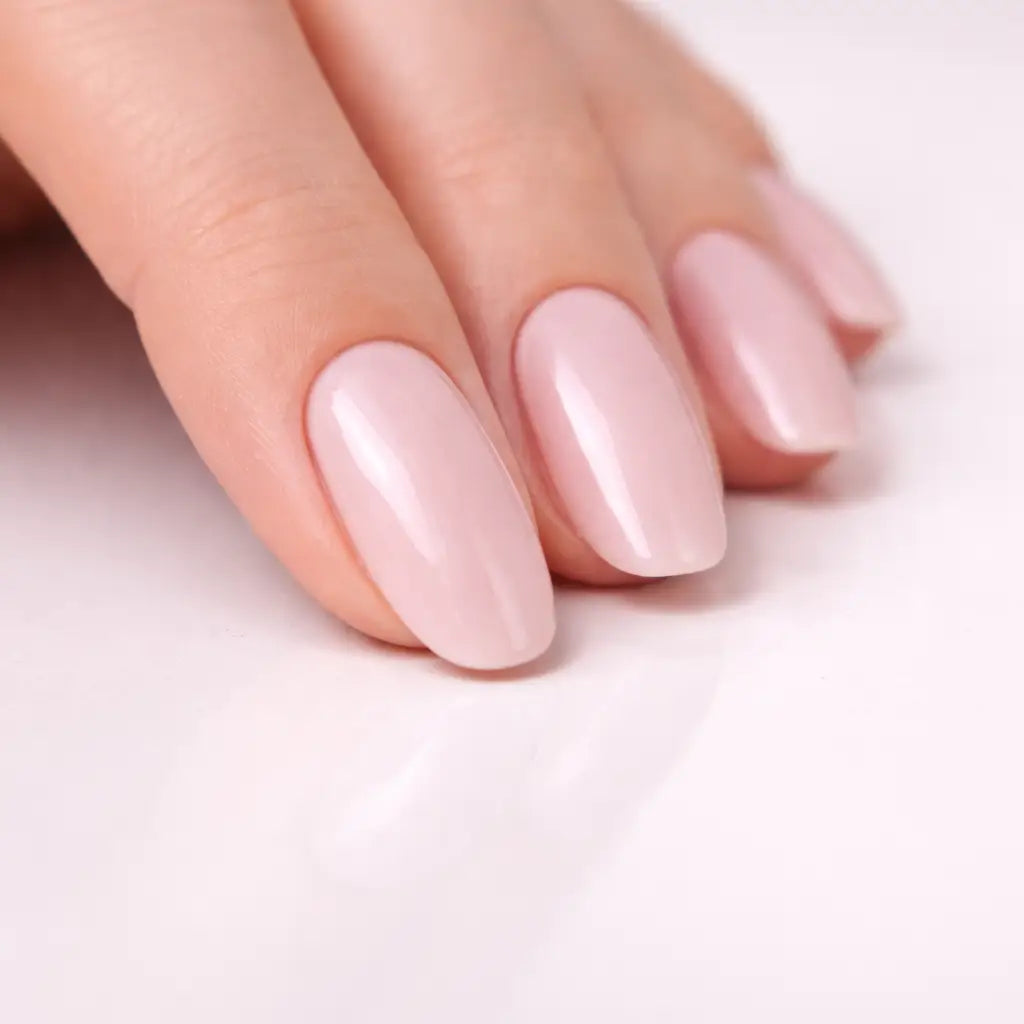
If you’ve ever tapped a nail set against a hard surface and heard a sharp “click” instead of a soft tap, you’re not imagining things. That sound is more than a noise — it’s a physical signal that something about the nail’s structure isn’t quite right.
Let’s break down what causes this sound, what it means for nail health and longevity, and how professionals prevent it.
What Is the “Click” Sound, Exactly?
The clicking sound happens when artificial nails are too rigid and too thick, especially at the apex or free edge. When the nail hits a hard surface, it vibrates like a solid plastic object instead of absorbing impact like a properly structured nail.
In simple terms:
-
Healthy or well-built nails = muted, dull sound
-
Overbuilt nails = sharp, hollow click
That sound is vibration — and vibration is stress.
The Physics Behind the Sound
1. Nails Act Like Tiny Shock Absorbers
Natural nails have flexibility. When pressure is applied, they bend slightly and disperse energy.
When enhancements are applied correctly, they mimic this behavior:
-
Thin where flexibility is needed
-
Structured where strength is required
Over-thick nails lose this balance.
2. Thickness Increases Rigidity
As thickness increases, flexibility decreases. When a nail becomes too rigid:
-
Impact energy can’t disperse
-
Vibrations travel through the entire nail plate
-
Sound becomes sharper and more pronounced
That “click” is energy bouncing back instead of being absorbed.
3. Apex Placement Matters
Even with the right product, incorrect apex placement can create a clicking effect.
Common mistakes:
-
Apex too high or too far forward
-
Excess bulk near the free edge
-
Flat stress area with excess product
These structural issues turn the nail into a solid lever, not a flexible extension.
Why the Clicking Sound Is a Problem
That sound isn’t just cosmetic — it’s a warning sign.
Nails That Click Are More Likely To:
-
Crack at the stress zone
-
Lift at the free edge
-
Pop off under impact
-
Feel uncomfortable or “heavy” to the wearer
Clients often describe these nails as:
“Hard,” “clunky,” or “unnatural feeling”
The Role of Product Choice
Not all nail products behave the same when layered.
High-quality professional systems are designed to:
-
Maintain flexibility even when cured
-
Self-level to avoid excess bulk
-
Build strength without unnecessary thickness
Lower-quality or mismatched products often require over-application to feel strong — which leads directly to clicking nails.
How Professionals Prevent the Click
✔ Build Structure, Not Bulk
Strength comes from architecture, not thickness. A properly structured nail can be thin and strong at the same time.
✔ Control Layer Thickness
Each layer should serve a purpose:
-
Base: adhesion and flexibility
-
Builder/structure: controlled strength
-
Top coat: protection and smoothness
Extra layers without intention add weight and rigidity.
✔ Balance Flexibility and Strength
The goal is a nail that:
-
Absorbs light impact
-
Bends microscopically under pressure
-
Returns to shape without cracking
When this balance is right, the sound disappears.
A Quick Test Nail Techs Use
Many professionals do a simple check:
-
Lightly tap the nail on a hard surface
Soft, muted sound = good structure
Sharp click = too rigid, too thick, or poorly balanced
It’s a fast way to catch structural issues before the client does.
Final Thoughts
That clicking sound isn’t just annoying — it’s physics telling you the nail has lost its natural balance. Great nail sets don’t just look good; they behave correctly under pressure.
When products, structure, and technique work together, nails stay:
-
Lighter
-
Stronger
-
More comfortable
-
Longer-lasting
And most importantly — silent when they should be.