 Gel Polish
 Nail Lacquer
 Acrylic
 Nail Tools
 LED Lamps
 Pedicure Chairs
 Nail Art
 Furniture
The Science of Nail Flexibility — Why Some Nails Bend and Others Snap
December 09, 2025
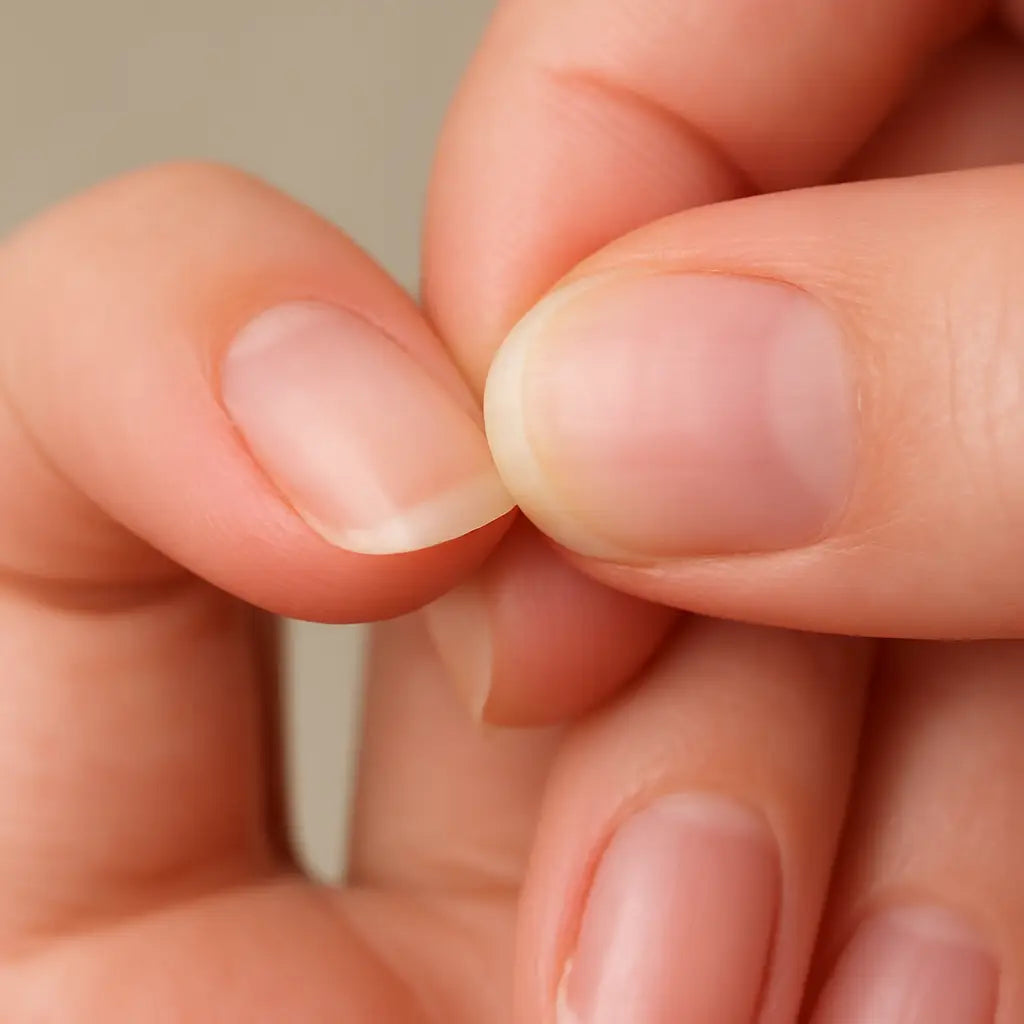
When clients come in complaining that their nails are “too bendy” or “snap too easily,” the real answer lies deeper than simple strength or length. Nail flexibility is a biological and chemical balance—and understanding it helps nail technicians choose the right products, prevent breakage, and solve chronic lifting issues.
Welcome to the science behind nail flexibility.
What Determines Nail Flexibility?
A healthy natural nail is made of keratin, the same protein found in hair and skin. But the hard keratin in nails is arranged in tightly packed layers that determine how flexible—or brittle—the nail becomes.
The main factors include:
1. Keratin Structure
Nails contain more sulfur bonds than hair.
More sulfur = stiffer nail plates.
Fewer sulfur bonds = softer or more flexible nails.
2. Water Content
Nails naturally contain 12–18% water.
-
Higher water levels → softer, bendy nails
-
Lower water levels → dry, brittle nails
Environmental shifts—humidity, frequent washing, acetone use—dramatically change this water balance.
3. Lipid (Oil) Levels
Natural nail oils help maintain flexibility.
Low lipids = nails snap easily.
Too many oils = adhesion problems with overlays.
4. Genetics
Some people naturally produce keratin that’s more flexible or more rigid—this is why some clients can grow long nails effortlessly while others can’t.
Why Some Nails Bend
Soft or flexible nails usually have:
✔ Higher water content
This makes the keratin layers more elastic.
✔ Fewer keratin crosslinks
Meaning the nail layers slide or bend easily.
Common Causes:
-
High humidity environments
-
Frequent handwashing
-
Overuse of cuticle oil (yes—it can soften too much!)
-
Hormonal changes
-
Iron deficiency
-
Aging (nails become more flexible over time)
How Bending Affects Nail Enhancements:
When the natural nail bends but the enhancement (gel/acrylic/hard gel) does not, this creates stress points, causing:
-
Cracks
-
Chips
-
Lifting
-
Snapped corners
This is why soft, flexible nails need flexible products like builder gel or soft gel.
Why Some Nails Snap or Become Brittle
Brittle nails often have:
✔ Low water content
Dry nails break instead of bend.
✔ High keratin density
More sulfur bonds = rigidity.
Common Causes:
-
Aging
-
Cold weather
-
Harsh chemicals
-
Excess filing
-
Acetone overuse
-
Nutrient deficiencies (biotin, iron, omega-3)
How Brittleness Affects Enhancements:
Brittle nails don’t provide a flexible foundation. As a result:
-
Extensions pop off
-
Cracks travel into the natural nail
-
Nail layers peel (onycholysis risk increases)
Brittle nails benefit from flexible overlays, regular hydration, and avoiding heavy extension lengths.
How Nail Techs Can Assess Nail Flexibility
You can quickly determine a client’s nail flexibility by observing:
1. How the nail bends under gentle pressure
-
Bends easily → soft nail
-
Doesn’t bend → rigid nail
2. Shine level
Soft nails → naturally shinier
Hard nails → more matte
3. Behavior under a file
Soft nails → file away quickly
Hard nails → generate more dust
Matching Products to Nail Types
The secret to long-lasting nails is choosing products that match the natural nail’s flexibility.
For Flexible (Soft) Nails
Use:
-
Builder gel (soak-off)
-
Rubber base gel
-
Soft-gel extensions
Avoid:
-
Hard gel
-
Acrylic overlays
-
Very long extensions
For Rigid (Hard/Brittle) Nails
Use:
-
Hard gel
-
Polygel
-
Acrylic (if properly balanced)
Avoid:
-
Too-heavy buffing
-
Thin structured manicures (they will crack)
How to Improve Nail Flexibility Naturally
For Soft Nails (Add Strength):
-
Use keratin treatments
-
Apply builder gel overlays
-
Reduce water exposure
-
Avoid overuse of cuticle oil
For Brittle Nails (Add Flexibility):
-
Increase hydration
-
Apply cuticle oil 2–3× daily
-
Wear gloves in cold or dry environments
-
Limit acetone use
-
Add biotin supplements (after doctor approval)
Final Thoughts
Nail flexibility isn’t just a cosmetic issue—it’s biology, chemistry, and environment working together. When you understand why nails bend or snap, you can make smarter product choices, prevent service breakdowns, and provide more personalized care for your clients.