 Gel Polish
 Nail Lacquer
 Acrylic
 Nail Tools
 LED Lamps
 Pedicure Chairs
 Nail Art
 Furniture
The Silent Enemy of Nail Retention: Micro-Movement Explained
January 06, 2026
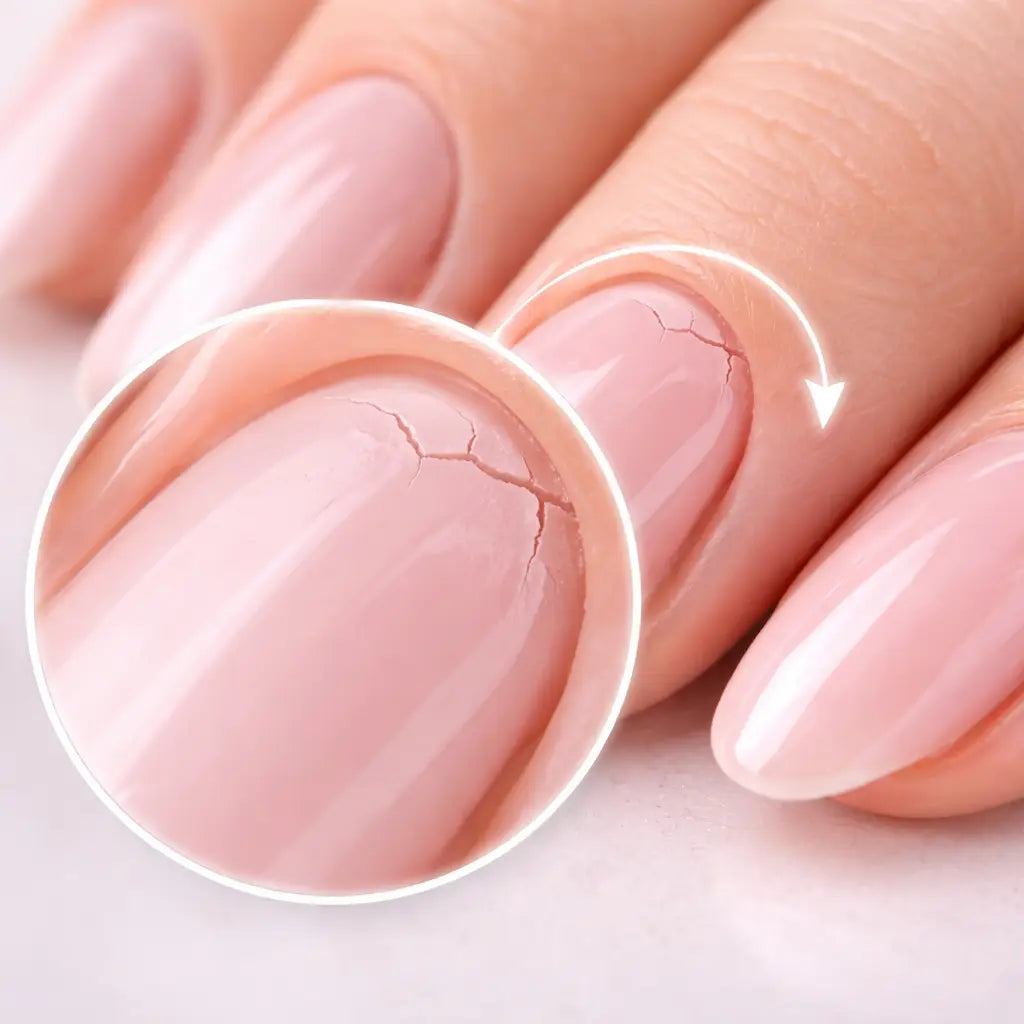
When nail enhancements lift, crack, or pop off prematurely, most technicians immediately blame prep, product choice, or client habits. While those factors do matter, there’s a far more subtle issue that often goes unnoticed — micro-movement.
Micro-movement is one of the most common yet least understood causes of poor nail retention. It happens invisibly, gradually weakening the bond between the natural nail and enhancement until failure becomes inevitable.
Let’s break down what micro-movement is, why it happens, and how professional nail systems are designed to minimize it.
What Is Micro-Movement?
Micro-movement refers to tiny, repeated flexing motions between the natural nail plate and the applied enhancement layers. These movements are usually too small to see or feel — but over time, they stress the bond line.
Natural nails are flexible. Enhancements, depending on the product used, may be more rigid or flex at a different rate. When these flex patterns don’t match, micro-movement occurs at the weakest point: the base layer bond.
Over days or weeks, this movement leads to:
-
Lifting at the cuticle or free edge
-
Cracks in builder or structure layers
-
Premature dulling or separation
-
Complete pop-offs despite “perfect” prep
Why Micro-Movement Destroys Retention
Unlike sudden trauma (like hitting a nail), micro-movement causes fatigue failure — similar to bending a paperclip repeatedly until it snaps.
Each small flex:
-
Weakens adhesion molecules
-
Creates microscopic gaps
-
Allows moisture and oils to infiltrate
-
Compromises the integrity of the entire system
Once micro-movement begins, even the best-looking set is already on borrowed time.
What Causes Micro-Movement?
1. Mismatched Product Flexibility
Using a rigid builder on a highly flexible natural nail (or vice versa) creates constant tension during daily movement.
2. Inconsistent Layer Thickness
Thin spots flex more than thicker areas, causing uneven stress distribution across the nail.
3. Incorrect Apex Placement
An apex that’s too far back, too flat, or overbuilt shifts stress to weak zones.
4. Incompatible Product Systems
Mixing products not designed to work together can result in layers that cure, flex, and bond differently.
5. Natural Nail Type
Some clients naturally have thinner, oilier, or more flexible nail plates — increasing susceptibility to micro-movement.
Why Premium Nail Systems Focus on Flex Harmony
Professional nail products aren’t just about pigmentation or shine — they’re engineered for controlled flexibility.
Well-designed systems:
-
Match base coat elasticity to builder formulas
-
Create gradual flex transitions between layers
-
Reduce stress at the bond line
-
Absorb micro-movement instead of resisting it
This is why products designed to work together consistently outperform mixed systems, even when prep and application look identical.
How to Reduce Micro-Movement in Your Nail Sets
Choose Products with Balanced Flex
Avoid extremes — overly hard or overly soft systems both increase failure risk.
Build Structure Intentionally
Even short nails need proper apex support to distribute pressure evenly.
Apply Consistent, Controlled Layers
Uneven thickness creates stress points where movement concentrates.
Respect the Natural Nail
Adapt your system based on nail type, not just length or style.
Use Complete Systems When Possible
Base, builder, and top coat formulas designed together move together — reducing internal conflict.
The Takeaway
Micro-movement is silent, invisible, and relentless — but it’s also preventable.
When nail retention issues persist despite good prep and technique, the problem often isn’t what you’re doing wrong — it’s how your products respond to movement over time.
Great retention isn’t about fighting flexibility.
It’s about controlling it.