 Gel Polish
 Nail Lacquer
 Acrylic
 Nail Tools
 LED Lamps
 Pedicure Chairs
 Nail Art
 Furniture
The Truth About Nail Forms: Why Shape, Thickness & Adhesive Matter
December 13, 2025
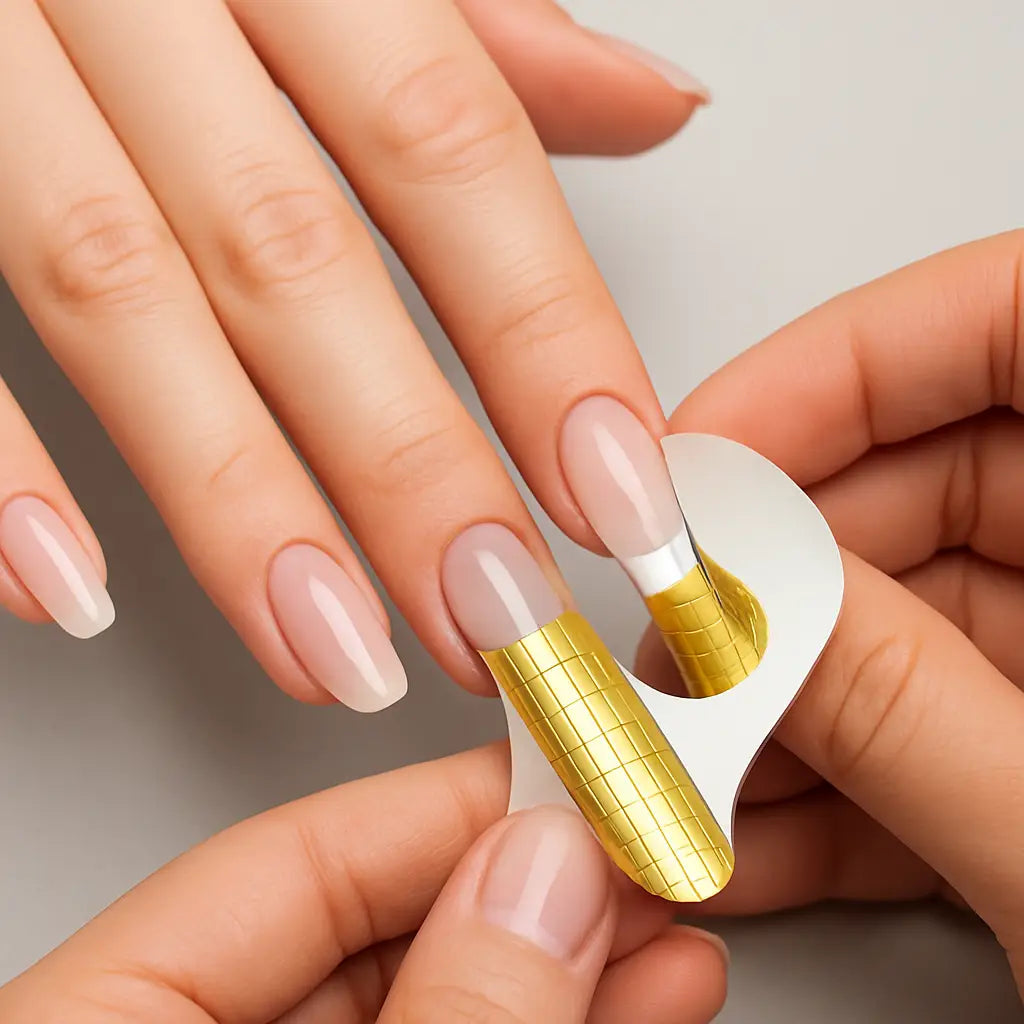
Nail forms may look like a simple disposable accessory, but in reality, they play a critical role in the structure, strength, and final look of nail enhancements. Whether you’re sculpting with builder gel, polygel, or acrylic, the quality of your nail form can make the difference between flawless retention and constant lifting or breakage.
Let’s break down the real reasons shape, thickness, and adhesive matter—and why upgrading your nail forms can instantly improve your work.
Why Nail Forms Are More Important Than You Think
Nail forms act as the foundation for sculpted extensions. Unlike tips, they don’t add bulk or alter the natural nail plate—but that means they must:
-
Hold a precise shape
-
Stay firmly in place
-
Support the product while it cures
-
Guide the apex and free edge correctly
A weak or poorly designed form leads to uneven lengths, flat profiles, sidewall collapse, and stress points that cause cracks.
1. Nail Form Shape: The Blueprint of Your Extension
Why Shape Matters
The printed and pre-cut shape of a nail form determines:
-
Nail length consistency
-
Sidewall symmetry
-
Free-edge alignment
-
Apex placement
If the form’s guide lines are off, your extension will be off—no matter how skilled you are.
What to Look For in a Quality Nail Form Shape
-
Straight center guideline for proper alignment
-
Clear length markings for consistency across all fingers
-
Multiple shaping options (square, coffin, almond, stiletto)
-
Pre-cut tabs that fit snugly under different nail shapes
Poorly shaped forms often cause:
-
Crooked extensions
-
Over-filed sidewalls
-
Weak stress areas
2. Thickness: Support Without Sagging
Thin Forms = Collapsing Extensions
Ultra-thin forms may seem flexible, but they often:
-
Bend under product weight
-
Lose curvature while curing
-
Collapse at the free edge
This results in flat, weak nails with poor structure.
Thick Forms = Stability & Control
A well-balanced thickness:
-
Supports builder gel and acrylic without sagging
-
Maintains C-curve during application
-
Prevents free-edge drooping
💡 Pro tip: The best nail forms are firm enough to hold shape but flexible enough to contour under the natural nail.
3. Adhesive Quality: The Most Overlooked Factor
Why Adhesive Is Critical
Even the best-shaped form is useless if it won’t stay in place. Weak adhesive causes:
-
Form shifting mid-application
-
Gaps under the natural nail
-
Uneven thickness and lifting
Signs of a High-Quality Adhesive
-
Sticks securely without slipping
-
Holds through long sculpting sessions
-
Removes cleanly without residue
-
Works in different temperatures and humidity levels
Low-quality adhesive often fails in warm hands or humid environments—leading to frustration and rework.
Common Nail Form Mistakes (And How Better Forms Fix Them)
| Mistake | Root Cause | Solution |
|---|---|---|
| Crooked extensions | Poor center alignment | Accurate guideline printing |
| Flat nail profile | Form collapse | Thicker, structured forms |
| Lifting at free edge | Form shifting | Strong adhesive backing |
| Inconsistent lengths | Unclear markings | High-contrast length guides |
Nail Forms vs Nail Tips: Why Professionals Prefer Forms
| Nail Forms | Nail Tips |
|---|---|
| Custom length & shape | Fixed shape |
| No extra bulk | Adds thickness |
| Better apex control | Limited structure |
| Cleaner sculpted look | Requires more blending |
For builder gel overlays and sculpted sets, high-quality nail forms are the professional standard.
How the Right Nail Forms Improve Product Performance
Using premium nail forms helps:
-
Builder gel self-level correctly
-
Acrylic set evenly without stress points
-
Polygel maintain structure during cure
-
Reduce filing time after application
In short, better forms = better results with less effort.
Final Thoughts: Nail Forms Are Not Just Paper
Nail forms are a structural tool, not a disposable afterthought. Investing in the right shape, thickness, and adhesive:
-
Improves retention
-
Reduces lifting and breakage
-
Speeds up application time
-
Elevates the final look of every set
If your extensions don’t last or feel inconsistent, your nail forms may be the hidden problem—not your technique.