 Gel Polish
 Nail Lacquer
 Acrylic
 Nail Tools
 LED Lamps
 Pedicure Chairs
 Nail Art
 Furniture
Why Nail Sets Lift at the Free Edge — And How to Fix It for Good
December 21, 2025
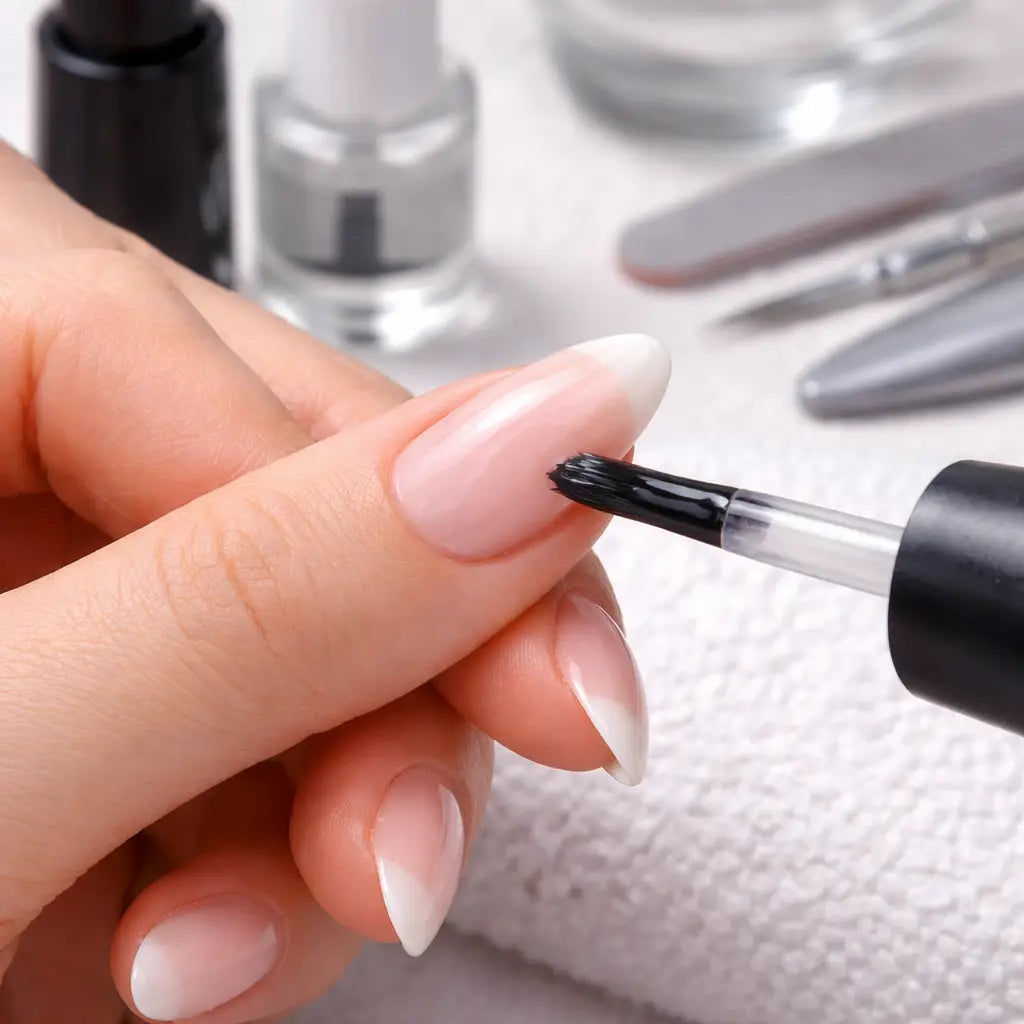
Free-edge lifting is one of the most frustrating issues for nail techs and clients alike. The set may look perfect on day one—only to start peeling or popping off at the tips within days. While many assume it’s a product problem, the real cause is usually structural, behavioral, or prep-related.
Let’s break down why free-edge lifting happens and, more importantly, how to prevent it permanently.
Why the Free Edge Is the Most Vulnerable Area
The free edge experiences the most stress during daily activities—typing, tapping, opening cans, and phone use. Unlike the nail bed, it has:
-
Less natural support
-
More flex and movement
-
Constant exposure to water and friction
If the product system isn’t sealed and structured correctly, lifting begins here first.
Top Reasons Nail Sets Lift at the Free Edge
1. Incomplete Nail Prep at the Tip
Dust, oils, or leftover cuticle near the free edge prevent proper adhesion. Even small amounts of residue can break the bond.
2. No Free-Edge Sealing
Failing to cap the free edge leaves the product exposed. Water and air penetrate underneath, weakening adhesion.
3. Incorrect Base Coat Choice
Using a base coat that’s too rigid—or too flexible—for the client’s nail type causes separation during natural nail movement.
4. Over-Filing or Under-Filing the Edge
Over-filing thins the nail, while under-filing leaves a slick surface. Both reduce product grip.
5. Product Weight Distribution Issues
Thin-looking sets can still be heavy at the tip if structure isn’t balanced, causing stress fractures and lifting.
How to Fix Free-Edge Lifting for Good
Step 1: Refine Prep at the Tip
Lightly etch the free edge using the correct grit. Make sure dust is fully removed before applying any liquids.
Step 2: Use a Dehydrator Correctly
Apply dehydrator evenly across the entire nail, including the free edge. Avoid over-saturating.
Step 3: Choose the Right Primer (When Needed)
For oily or flexible nails, a compatible primer can significantly improve adhesion at the tip.
Step 4: Cap the Free Edge at Every Layer
Base coat, builder, color, and top coat should all seal the free edge. This locks the structure in place.
Step 5: Build Proper Apex Support
A well-placed apex distributes pressure away from the free edge, reducing stress during daily use.
Product Categories to Feature Naturally
These categories directly address free-edge lifting and fit seamlessly into this topic:
✔ Nail Dehydrators
Removes moisture and oils, especially critical at the free edge.
✔ Nail Primers
Improves adhesion on challenging nail types and high-stress areas.
✔ Base Coats
Choose between flexible or structured bases depending on nail condition.
✔ Builder Gels / Hard Gels
Adds strength and balances stress across the nail.
✔ Top Coats
Seals the free edge and protects against water and wear.
Final Thoughts
Free-edge lifting isn’t random—and it’s not inevitable. When prep, product selection, and structure work together, nails stay intact where they’re most vulnerable.
Fixing the free edge means thinking beyond just the tip—it’s about supporting the entire nail system from base to finish.