 Gel Polish
 Nail Lacquer
 Acrylic
 Nail Tools
 LED Lamps
 Pedicure Chairs
 Nail Art
 Furniture
Why Your Feet Have More Sweat Glands Than Any Other Part of Your Body
June 10, 2026
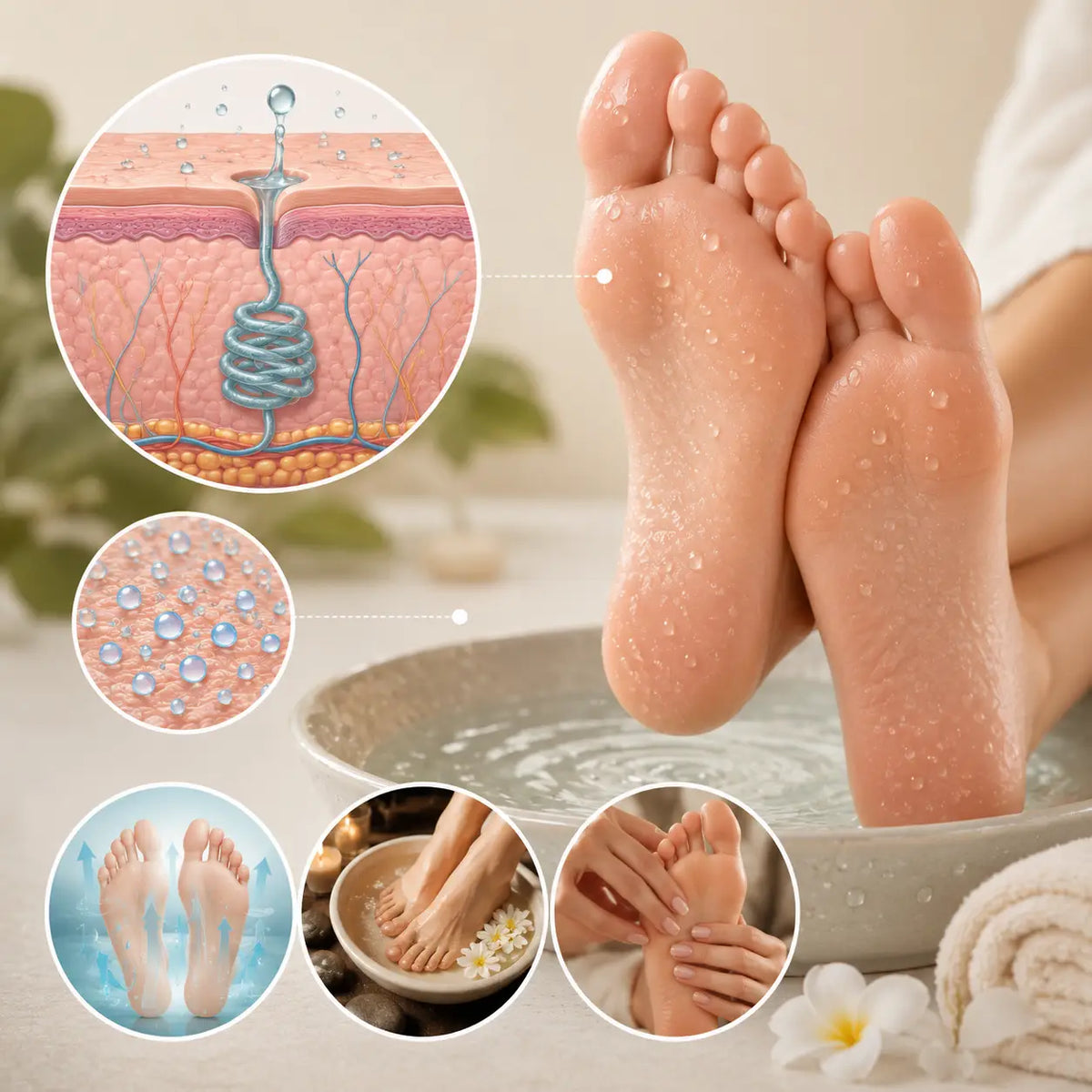
When most people think about sweating, they picture a workout, a hot summer day, or a stressful situation. What many don't realize is that their feet are actually one of the busiest sweat-producing areas of the body. In fact, your feet contain more sweat glands per square inch than anywhere else, making them a fascinating part of human anatomy.
Understanding why your feet sweat so much can help you appreciate the importance of regular foot care and why professional pedicures and foot spa treatments can make such a noticeable difference in comfort and appearance.
A Surprising Fact About Your Feet
Each foot contains approximately 125,000 sweat glands. Combined, that's around 250,000 sweat glands working every day to help regulate your body's temperature and keep your skin functioning properly.
Unlike many other areas of the body, the soles of your feet are packed with eccrine sweat glands. These glands produce a clear, odorless moisture that helps cool the body and maintain healthy skin.
Even on a cool day, your feet can produce significant amounts of perspiration, especially when enclosed in socks and shoes for long periods.
Why Do Feet Need So Many Sweat Glands?
The answer comes down to function.
Your feet support your entire body weight and are constantly under pressure. Whether you're walking, standing, exercising, or simply moving around the house, your feet generate friction and heat.
The abundance of sweat glands helps:
- Regulate temperature
- Prevent overheating
- Improve grip and traction
- Maintain skin flexibility
- Support overall foot health
Without this natural cooling system, the skin on your feet could become dry, cracked, and less capable of handling daily stress.
If Sweat Is Odorless, Why Do Feet Sometimes Smell?
This is one of the most common misconceptions about foot sweat.
Sweat itself has very little odor. The smell often associated with feet develops when moisture interacts with naturally occurring bacteria on the skin.
Warm, enclosed environments—such as shoes—create ideal conditions for bacteria to break down sweat and skin cells. This process can produce the odors commonly associated with sweaty feet.
Regular cleansing, proper footwear, and routine foot care can help manage excess moisture and keep feet feeling fresh.
The Connection Between Sweat and Foot Care
While sweating is completely normal, excessive moisture can sometimes contribute to common foot concerns such as:
- Dry or peeling skin
- Rough calluses
- Discomfort from friction
- Increased buildup of dead skin
- Dull-looking toenails
This is one reason why foot spa treatments remain popular. A professional foot care routine helps remove accumulated dead skin, smooth rough areas, and restore a cleaner, healthier appearance.
Why Foot Soaks Feel So Relaxing
Many people enjoy a warm foot soak simply because it feels good, but there's science behind the sensation.
Warm water helps:
- Soften the skin
- Increase circulation
- Relax tired muscles
- Loosen surface debris
- Prepare feet for exfoliation and moisturizing treatments
Combined with proper foot care, a simple soak can leave feet feeling refreshed after a long day of standing or walking.
Keeping Feet Looking Their Best
Because feet work so hard every day, they often receive less attention than other parts of the body. Yet they endure constant pressure, friction, and moisture.
A consistent foot care routine can help maintain:
- Smooth skin
- Healthy-looking nails
- Improved comfort
- A polished appearance
- Better overall foot hygiene
Simple habits such as moisturizing, regular exfoliation, wearing properly fitting footwear, and scheduling occasional foot spa treatments can make a noticeable difference.
Final Thoughts
The next time you notice your feet sweating, remember that it's actually a sign of an impressive natural system at work. With more sweat glands than any other part of the body, your feet are specially designed to handle the demands of daily life.
Understanding how your feet function is a great reminder that proper foot care isn't just about appearance—it's about supporting one of the hardest-working parts of your body. Regular maintenance, hydration, and occasional pampering can help keep your feet comfortable, healthy-looking, and ready for whatever the day brings.