 Gel Polish
 Nail Lacquer
 Acrylic
 Nail Tools
 LED Lamps
 Pedicure Chairs
 Nail Art
 Furniture
Nails Can Reveal Signs of Health
March 26, 2026
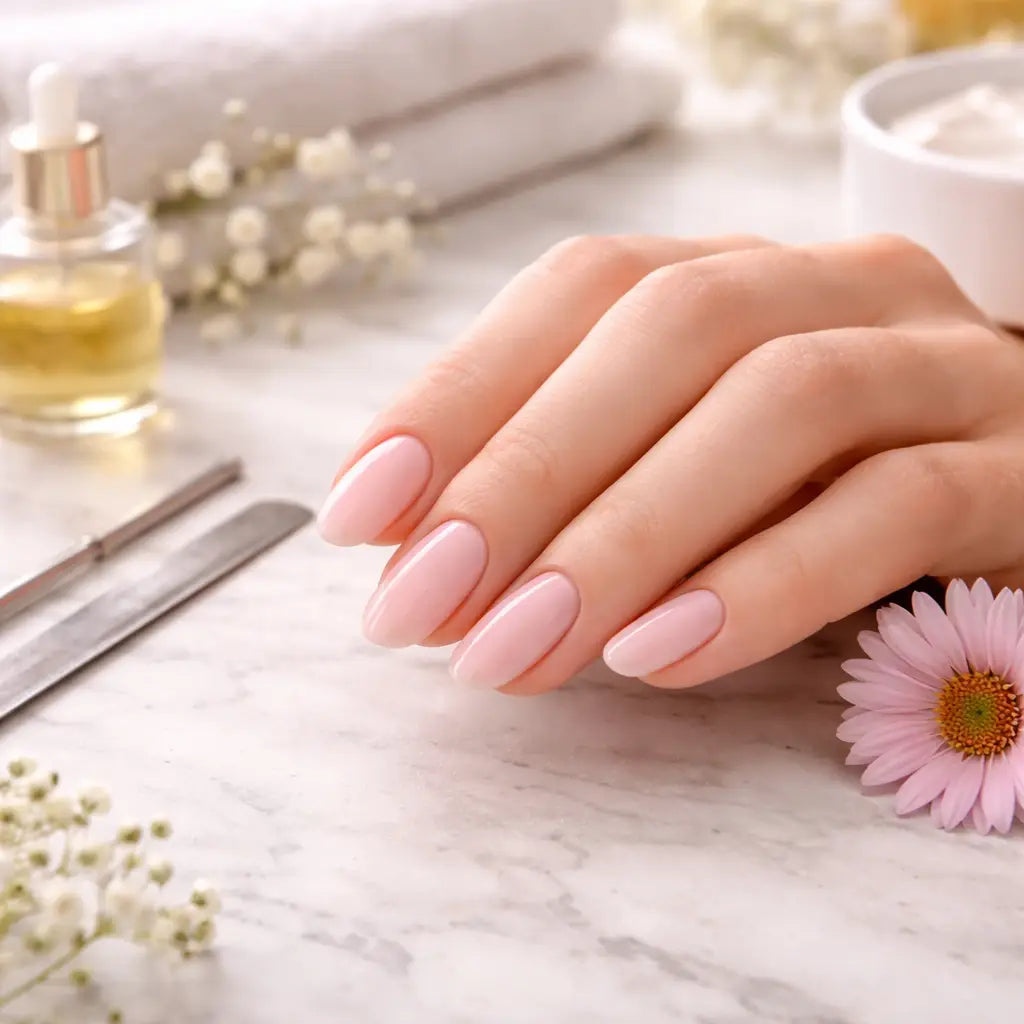
Our nails are more than just a canvas for beautiful polish and creative nail art. In fact, they can reveal surprising clues about overall health. Nail technicians often spend more time examining clients’ nails than most people do themselves, which means they are sometimes the first to notice subtle changes in nail appearance.
Understanding what nails can indicate about health not only helps professionals provide better service but also allows clients to become more aware of their own well-being.
The Science Behind Nail Health
Nails are made of keratin, a protein that also forms hair and the outer layer of skin. Healthy nails are usually smooth, strong, and slightly pink due to the blood vessels beneath the nail bed.
Because nails grow continuously, they often reflect changes happening in the body. Factors such as nutrition, circulation, hydration, and general health can all influence nail condition.
When nails change in color, texture, or thickness, it can sometimes indicate something deeper than cosmetic damage.
Common Nail Signs and What They May Mean
While nail changes don’t always signal serious health issues, they can sometimes point to underlying conditions.
1. Pale or White Nails
Extremely pale nails may sometimes be associated with anemia, liver conditions, or nutritional deficiencies.
2. Yellow Nails
Yellowing nails may result from frequent polish use, smoking, or fungal infections. In rare cases, they may also relate to respiratory conditions.
3. Ridged Nails
Vertical ridges are common and often appear naturally with age. However, deep horizontal ridges can sometimes indicate stress, illness, or nutritional imbalance.
4. Brittle or Cracking Nails
Nails that split or break easily are often linked to dehydration, overexposure to chemicals, or lack of certain vitamins such as biotin.
5. Dark Lines or Spots
Unusual dark streaks or spots under the nail should always be monitored and evaluated by a healthcare professional.
Why Nail Technicians Often Notice First
Nail professionals examine nails closely during every appointment. This gives them a unique opportunity to notice changes that clients may overlook.
Responsible nail technicians understand that their role is not to diagnose medical conditions. However, they can:
-
Recommend a break from certain products if nails appear stressed
-
Suggest strengthening or nourishing treatments
-
Encourage clients to seek medical advice when unusual nail changes appear
Professional observation can sometimes prompt clients to pay closer attention to their health.
Healthy Nail Care Practices
Maintaining healthy nails is not just about appearance—it’s also about overall nail strength and hygiene. A few simple habits can keep nails in excellent condition:
-
Keep nails clean and dry
-
Use high-quality nail products to avoid damage
-
Moisturize cuticles regularly
-
Avoid excessive filing or aggressive removal of enhancements
-
Take breaks between certain nail treatments when needed
Professional salon products and proper techniques play a major role in protecting natural nails.
The Connection Between Beauty and Wellness
Nails often serve as a reflection of how well the body is functioning. While most nail changes are harmless and temporary, paying attention to nail health can provide helpful insight into overall wellness.
For nail technicians, understanding the signs of healthy and unhealthy nails enhances professionalism and builds trust with clients. For clients, it’s a reminder that beautiful nails begin with proper care and healthy habits.
In the end, nails are more than decoration—they are tiny indicators of the body’s condition, quietly telling a story about health, care, and lifestyle.